Water Extraction in Arizona
Standing water spreads into walls, flooring and cabinets within hours, especially in Arizona heat. We remove the water, measure what is left behind, and document every step so drying and repair can follow with proof.
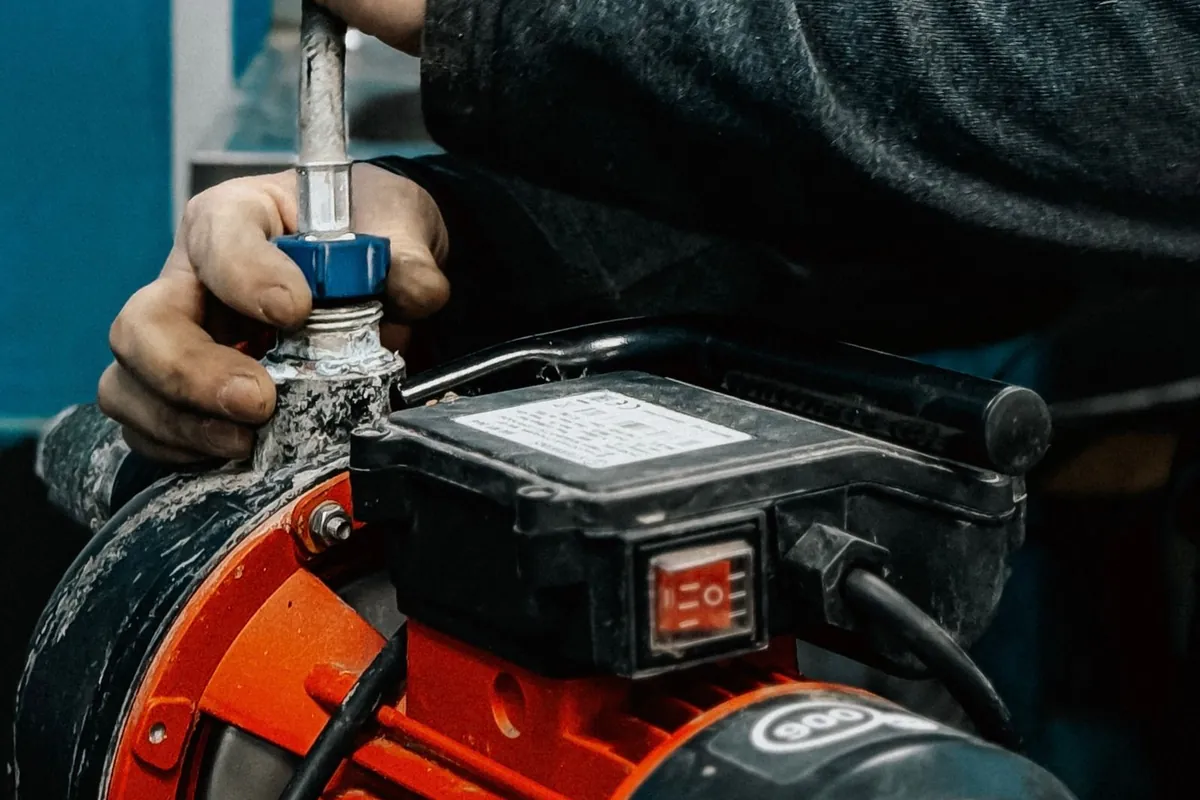
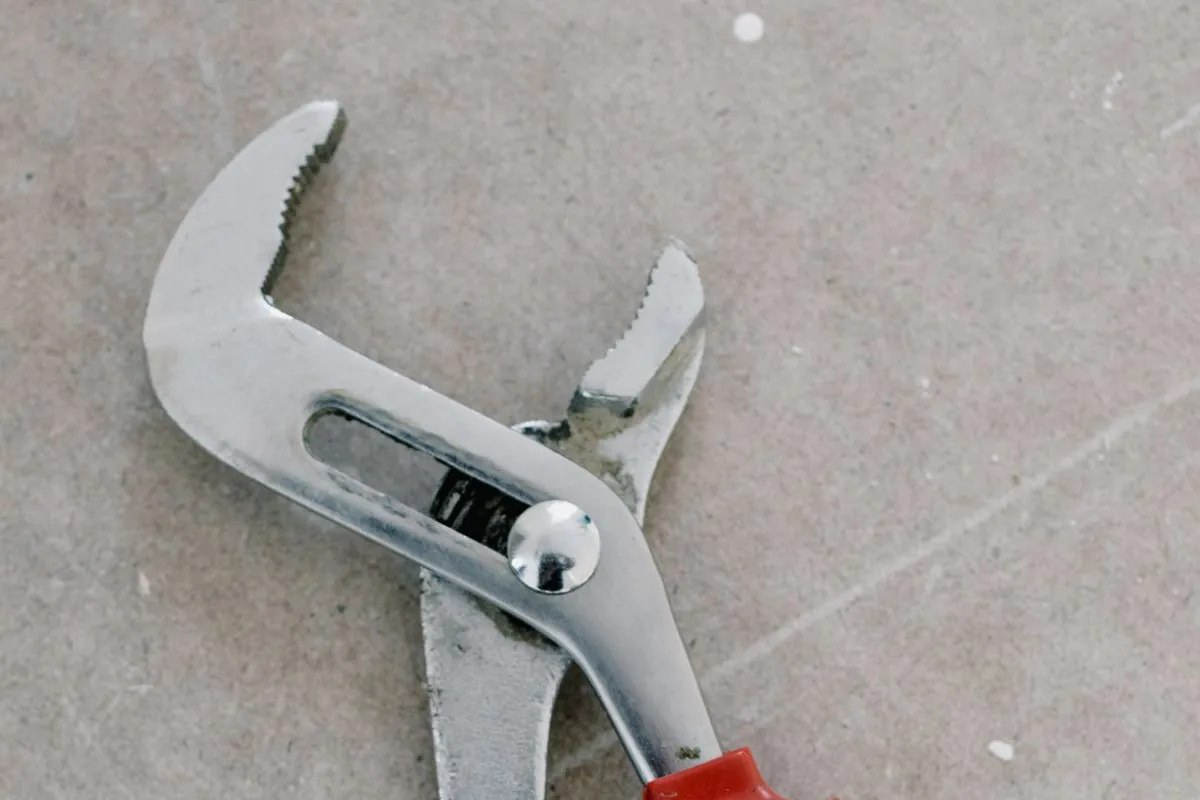
Illustrative photo — a pump being set up to extract standing water before measured drying begins.
- Measured dryingDaily moisture readings guide every drying decision.
- Written scope firstYou see the itemised scope before work begins.
- Photo recordsPhotos and logs from first visit to final walkthrough.
- Homes and businessesHouses, rentals, offices, shops and restaurants.
The short answer
Water extraction is the removal of standing water with pumps and extraction tools before measured drying begins. Extraction alone does not dry wall cavities or floors, so most jobs that reached walls or a second room need extraction plus structural drying, sanitation where required, and daily moisture readings logged against a dry standard until the materials verify dry.
When a supply line bursts, a water heater lets go, or monsoon water pushes under a door, the first job is simple to describe and easy to underestimate: get the standing water out. In a Phoenix or Tucson home, that water does not stay where you see it.
The category matters, and it is set when the water is released. Under ANSI/IICRC S500, Category 1 is clean water from a sanitary source, Category 2 is gray water with significant contamination such as dishwasher or washing machine discharge, urine-only toilet overflow, or sump water, and Category 3 is black water that is grossly contaminated, including sewage, rising floodwater and groundwater.
Extraction is also where your record begins. We photograph rooms before anything is moved, note the source and the time it was stopped, and take initial moisture readings so later drying can be compared against a dry standard from an unaffected area.
What's included
- Source and category assessment We identify where the water came from, when it stopped, and which S500 category it falls into.
- Pumping and extraction Submersible pumps handle deeper standing water, and truck or portable extraction units pull water from carpet, pad and hard floors. Weighted extraction tools help draw water out of carpet and pad together.
- Furniture and contents handling Soft furnishings, boxes and movable contents are moved, blocked up or taken to a dry area to stop wicking and staining. Everything is photographed before it is moved.
- Moisture mapping after extraction Once the visible water is gone, we map what remains with moisture meters across floors, baseboards, wall cavities and cabinets.
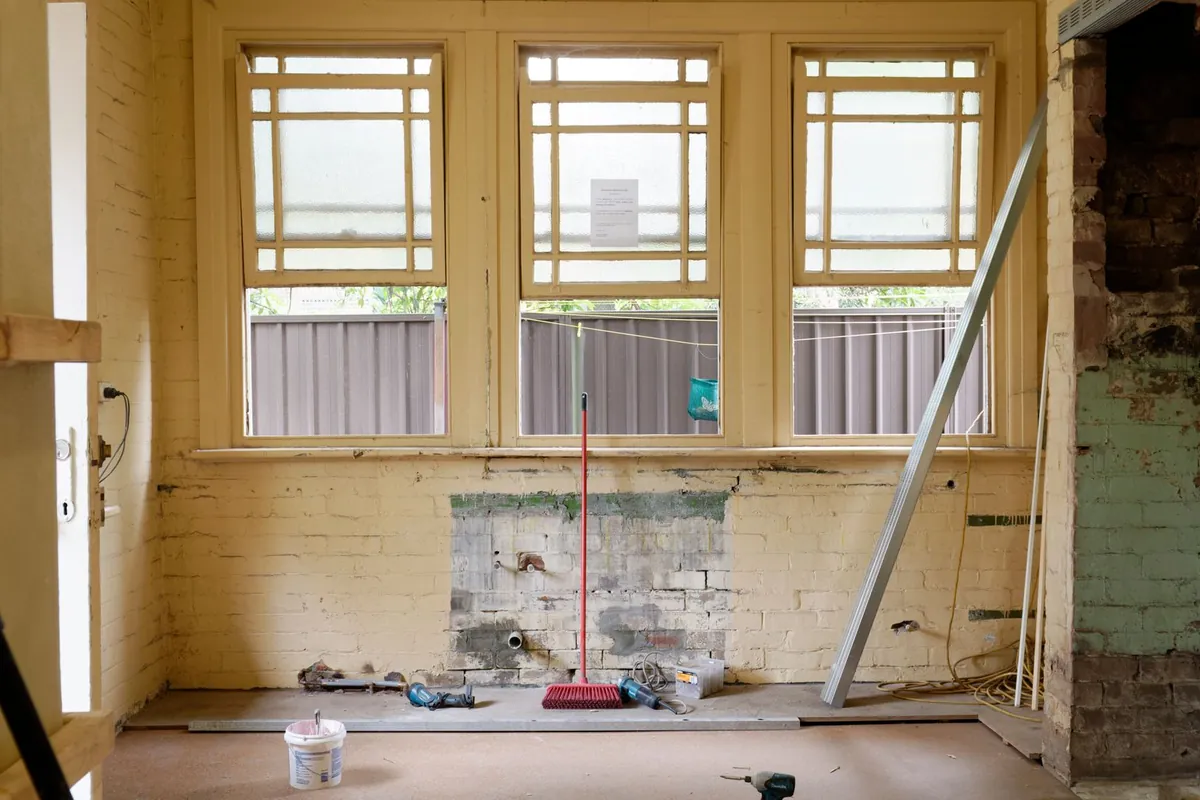
Extraction only versus full restoration
Homeowners often ask whether extraction on its own is enough. For a small clean-water spill caught within the hour and confined to a hard surface, it can be. Once water has reached walls, flooring systems, cabinets or a second room, extraction is only the opening step.
The table below sets out the honest difference. Full restoration adds measured drying, sanitation matched to the water category, opening of cavities where readings require it, and repair of what was opened. Choosing extraction only for a larger loss does not save the drying work — it usually just leaves it undone and undocumented.
| Extraction only | Full restoration | |
|---|---|---|
| What it is | Standing water removed; surfaces left to dry on their own | Extraction plus measured drying, sanitation and repair |
| Drying verified | No — nothing is measured | Yes — daily moisture readings against a dry standard |
| Mould risk | Higher — hidden moisture stays in walls and floors | Lower — cavities are opened/dried and verified |
| Insurance record | A pumping invoice | Photos, readings, daily logs and a written scope |
| Best for | A small clean-water spill caught within the hour | Anything that reached walls, floors or a second room |
Extraction is the first step of restoration, not a substitute for it.
The first hour: what to do before we arrive
What happens in the first hour shapes the whole job. Stopping the source limits the wet area more than any equipment can, and a few careful steps protect both your home and your insurance record.
Do not delay calling while you work through the list. Extraction, assessment and the written scope can be arranged while you protect contents, and the photographs you take in the first hour, before anything is moved or dries, are often the clearest evidence of the loss that will ever exist.
- Stop water at the main if safe
- Kill power to wet areas if water is near outlets
- Move soft furnishings out of the wet area or up onto blocks
- Do not walk sewage water barefoot — treat Category 3 water as a health risk
- Photograph everything before moving it, including the source and the widest view of each room
From first call to dry standard
Call and source control
You call (855) 981-1210 and describe the source, the rooms affected and whether the water is still running.
Assessment and written scope
On site we confirm the category and class of the loss, photograph every affected area, and take opening moisture readings.
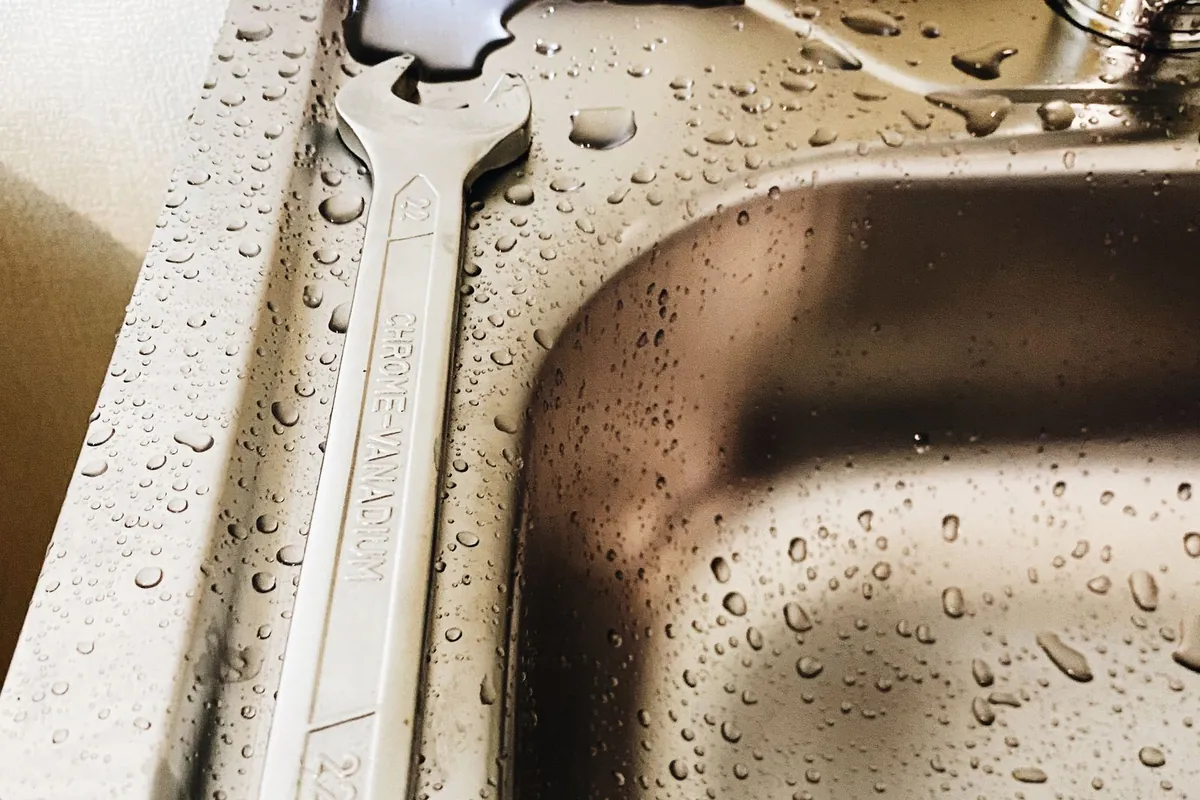
Extraction
Pumps and extraction units remove standing water from each surface, working from the source outward.
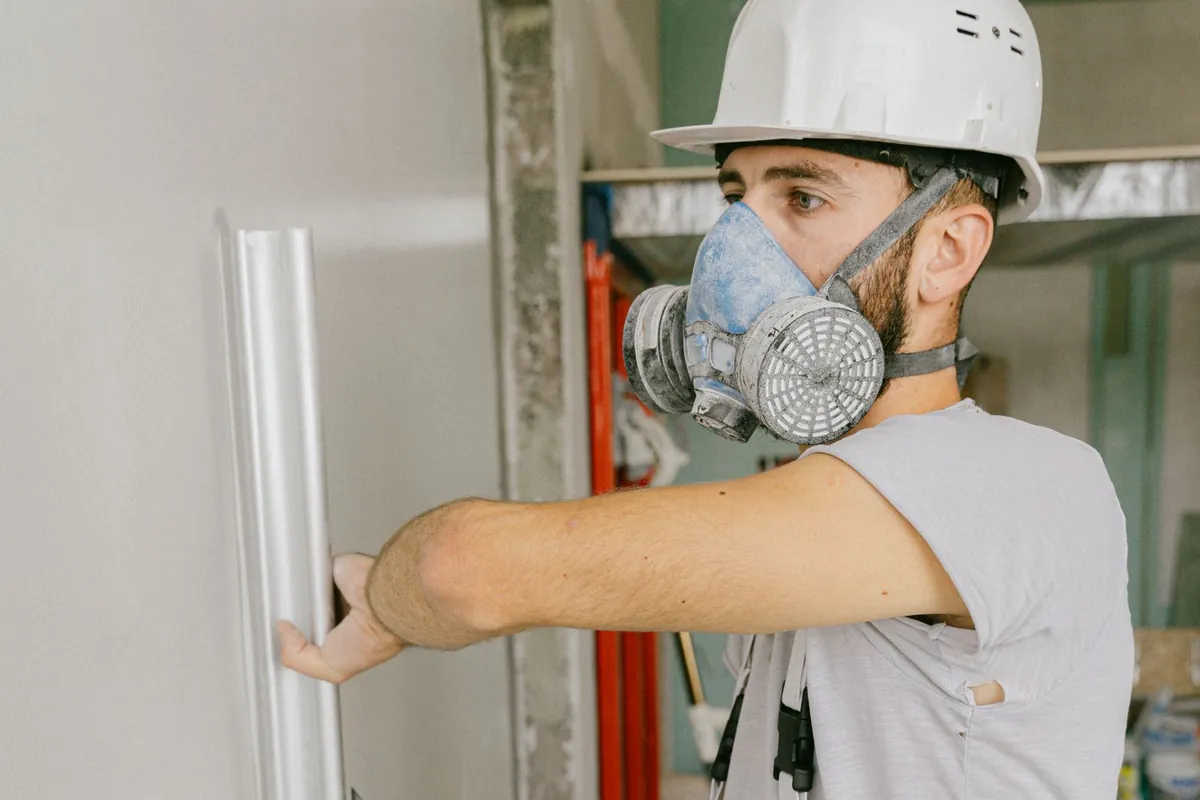
Moisture mapping and drying handover
With the liquid water gone, we re-read materials and mark the true wet footprint on the log.
Verification and close-out
Drying is checked with meter readings compared to the dry standard, logged daily, and equipment is removed only when readings verify dry.
No, extraction and drying are two different steps. Extraction removes liquid water you can see and much of what is held in carpet and pad, while drying removes moisture that has already soaked into drywall, wood, cabinets and concrete. A room can look dry after extraction and still hold enough hidden moisture to grow mould.
Most residential extraction takes a few hours, depending on depth and area. A single room with shallow clean water is far quicker than a whole-home loss with carpet, pad and multiple flooring types. The assessment at the start gives you a realistic timeframe in the written scope, and drying, where it is needed, runs separately over the following days.
Clean-water carpet can often be saved if it is treated quickly. Carpet and pad are assessed by category, age, delamination and how long they stayed wet. Category 3 water, or pad that has broken down, usually means removal. We explain the decision in the scope with readings and photos, rather than saving or discarding materials by habit.
No, extraction alone does not reliably prevent mould. Mould risk is driven by moisture left inside materials, and only measured drying that brings those materials to a dry standard reduces that risk. Hidden moisture in wall cavities, under cabinets and beneath flooring is the common cause, which is why verification readings matter more than how the surface feels.
Document the loss before you change it, and keep every record we produce. Photograph the source and each room, keep the written scope, photos, moisture readings and daily logs together, and notify your insurer promptly. We document the work as if it will be reviewed, because it often is, but coverage decisions always rest with your policy and your insurer.
Water where it shouldn't be?
One call tells us what happened, where you are, and what the water touched — and gets the drying started before the damage spreads.
Tell us what happened
Call, or send the form and we'll call you back. If water is still spreading, shut the water off at the main if you can do it safely — then call.
- Phone(855) 981-1210
- Address6900 N 21st Ave, Phoenix, AZ 85015
- Coverage25 Arizona cities — see the service map