Water Damage Restoration in Glendale, AZ
Glendale reads like two cities joined at the middle: a historic bungalow core in the east and stadium-era growth in the west, with plumbing to match each half.
- CoverageGlendale, Arizona — one of 25 service cities across the state
- Phone(855) 981-1210
- On every jobWritten scope first, with photo records for your insurer
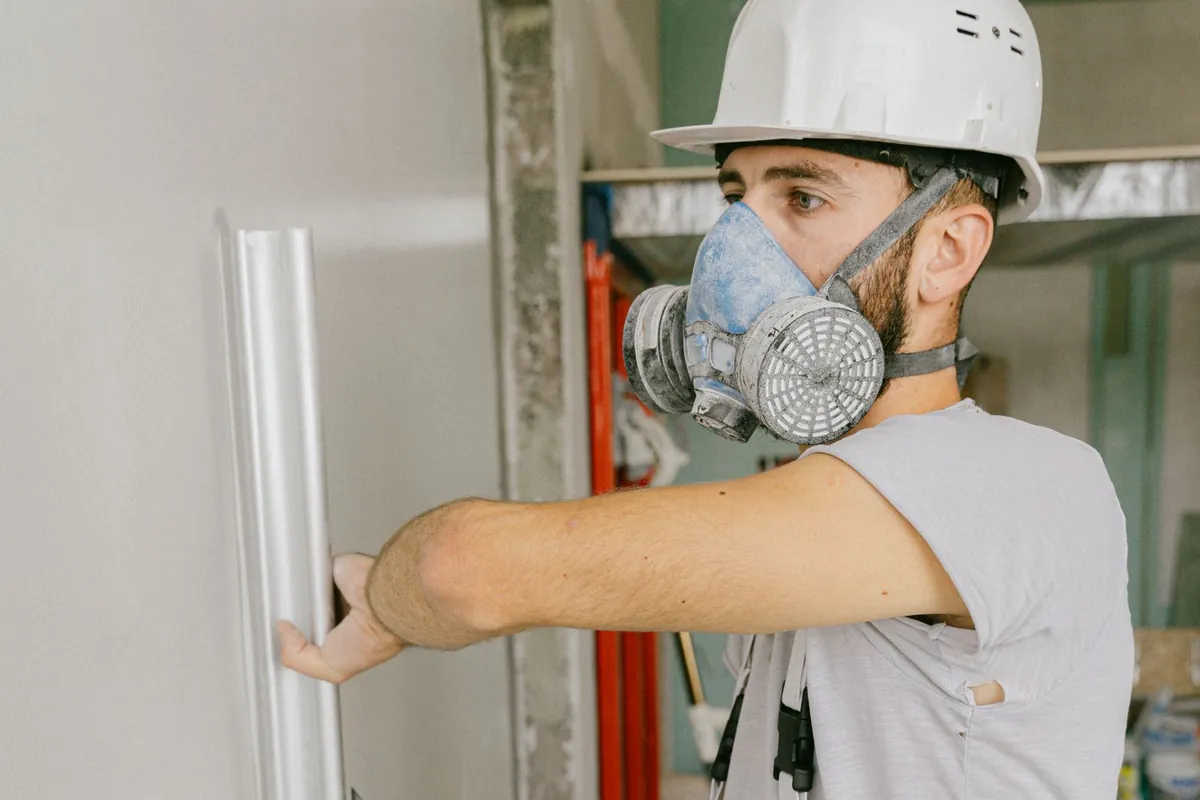
Serving Glendale and nearby
- Measured dryingDaily moisture readings guide every drying decision.
- Written scope firstYou see the itemised scope before work begins.
- Photo recordsPhotos and logs from first visit to final walkthrough.
- Homes and businessesHouses, rentals, offices, shops and restaurants.
An era map you can drive: bungalows, Arrowhead Ranch, then the new north
Glendale water damage help covers galvanised bungalow plumbing past its expected life, polybutylene-era homes in Arrowhead Ranch, newer north Glendale systems, and wash-corridor storm water. We locate the source, extract water, dry each construction type appropriately, and document readings and photographs so the repair that follows is based on evidence, not guesswork.
Glendale, home to about 253,000 people, carries one of the clearest era maps of any city in this project. In the east, the Catlin Court and downtown bungalow districts hold homes from the early twentieth century, while Arrowhead Ranch in the northwest was built across 1970 to 1999, and newer development continues across north Glendale. A restoration crew working this city moves between those eras daily, sometimes between morning and afternoon appointments on opposite sides of town.
The west side adds a modern landmark layer, with State Farm Stadium and the Westgate area anchoring a newer Glendale of entertainment, hospitality and recent housing. Drainage geography threads through both halves, because the Skunk Creek and New River wash corridors cross the city and remind residents during monsoon season that desert water follows old paths. Glendale water damage therefore arrives through very old pipes, through era-specific pipe from the seventies and eighties, and occasionally straight off a wash-swollen street.
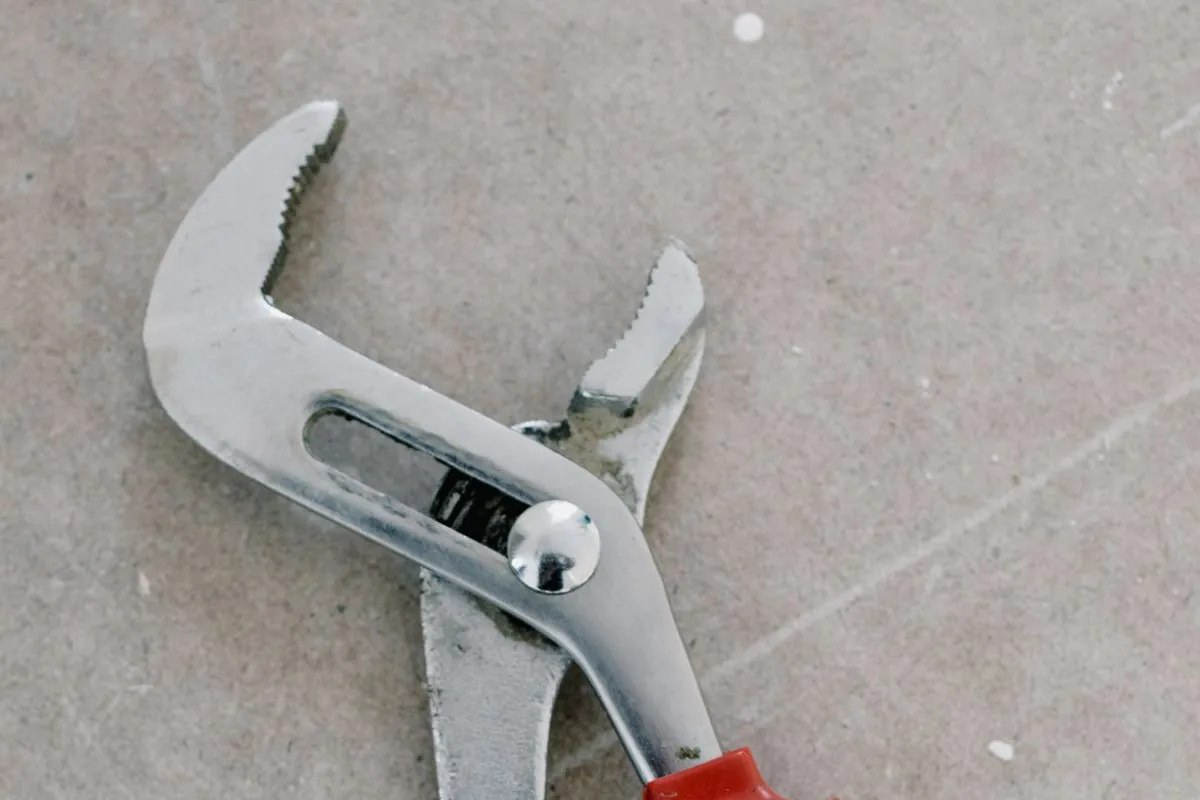
How Glendale homes get wet
Galvanised steel beyond its working life in the bungalow core
Trade accounts for Glendale place Catlin Court and downtown bungalows on galvanised steel that has now passed its typical forty to sixty year working life. Inside those pipes, corrosion narrows the passage and weakens the wall, so a bungalow leak often follows months of falling pressure or rusty first-draw water. We handle these homes gently, opening finishes with care for older materials, drying the cavity thoroughly, and flagging the wider system condition honestly once the immediate loss is controlled.
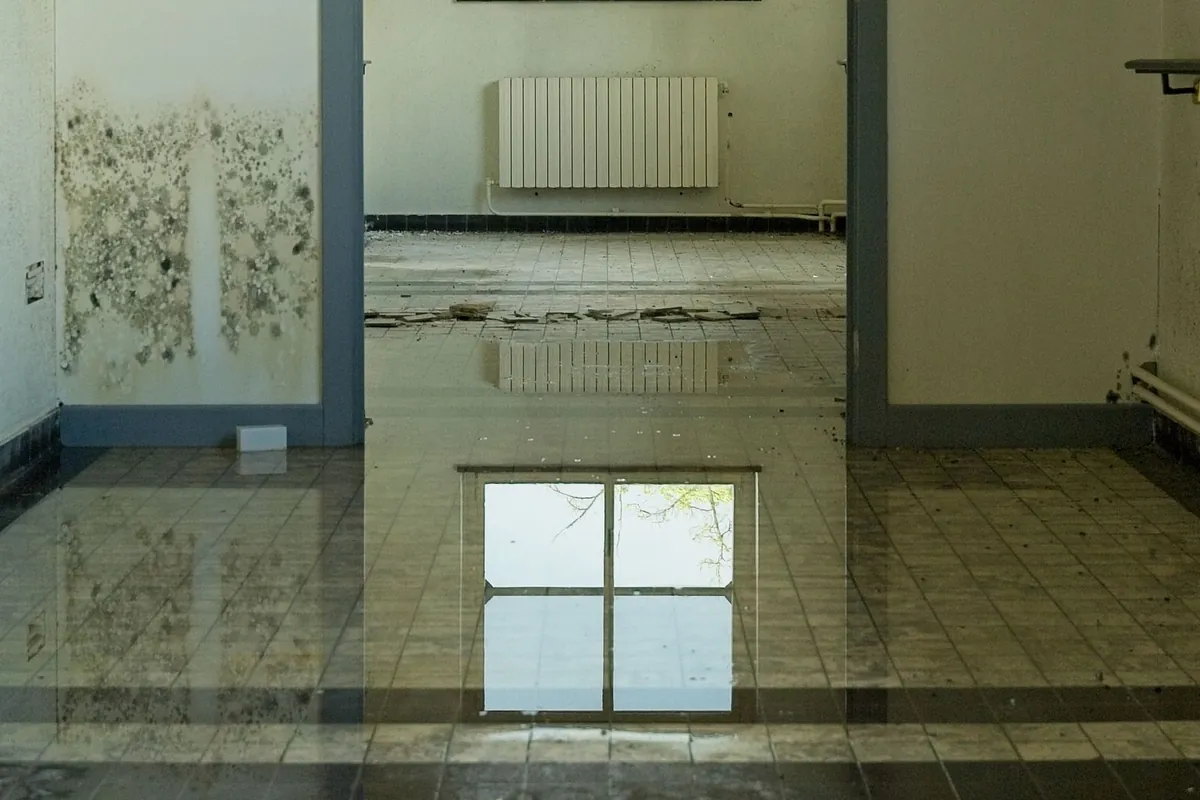
Polybutylene-era construction in Arrowhead Ranch
Arrowhead Ranch was built squarely within the polybutylene window, and homes from that community can carry supply systems from that material era as they pass three and four decades of service. A failure there may appear at a manifold, a fitting or a line feeding a bathroom group, releasing water into walls and across floors on one or two levels. Our approach maps the full plumbing group rather than only the wettest room, because era systems tend to share their weaknesses across the whole installation.
Newer north Glendale mechanical failures
Homes across newer north Glendale face the modern profile instead: heater connections, washing-machine hoses, condensate drains and appliance lines that fail as components age. These losses are often discovered quickly because families are home, but the water volume from a burst hose in an hour can still ruin flooring across several rooms. We extract fast, protect unaffected finishes, and dry with readings logged daily until the structure returns to its dry standard.
Wash-corridor storm water along Skunk Creek and New River
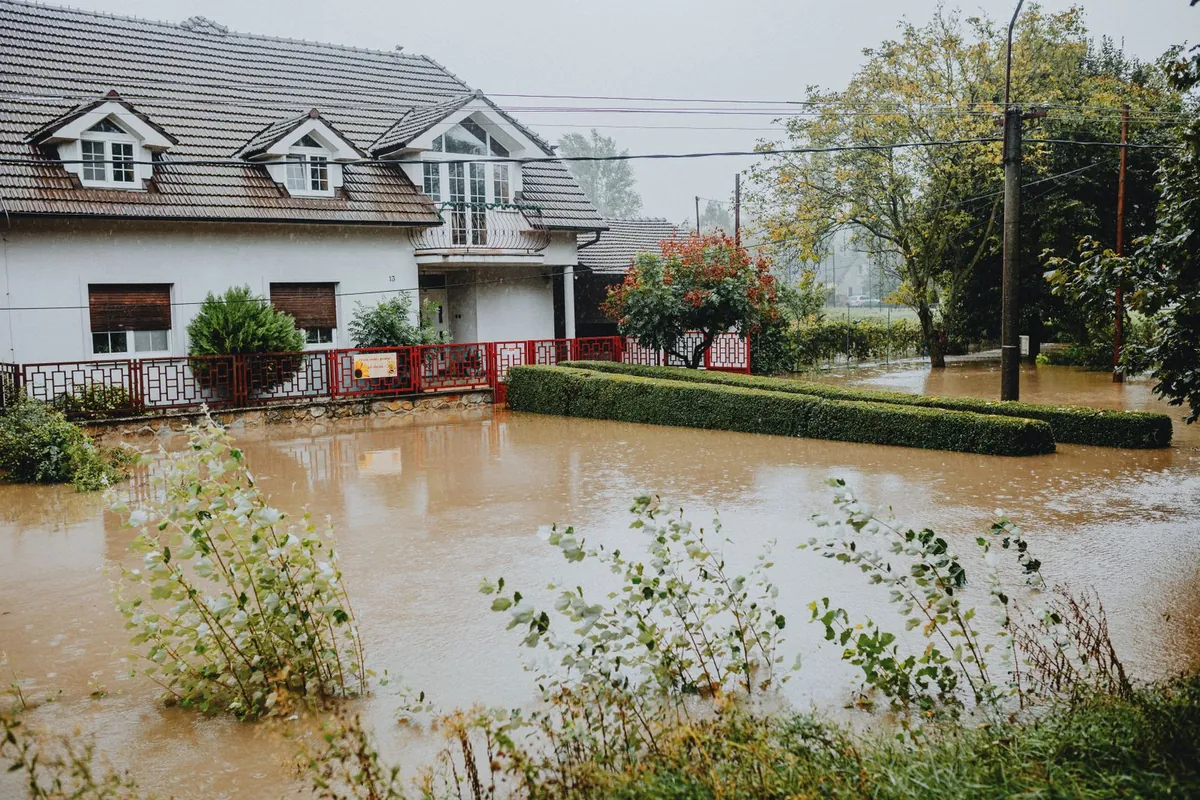
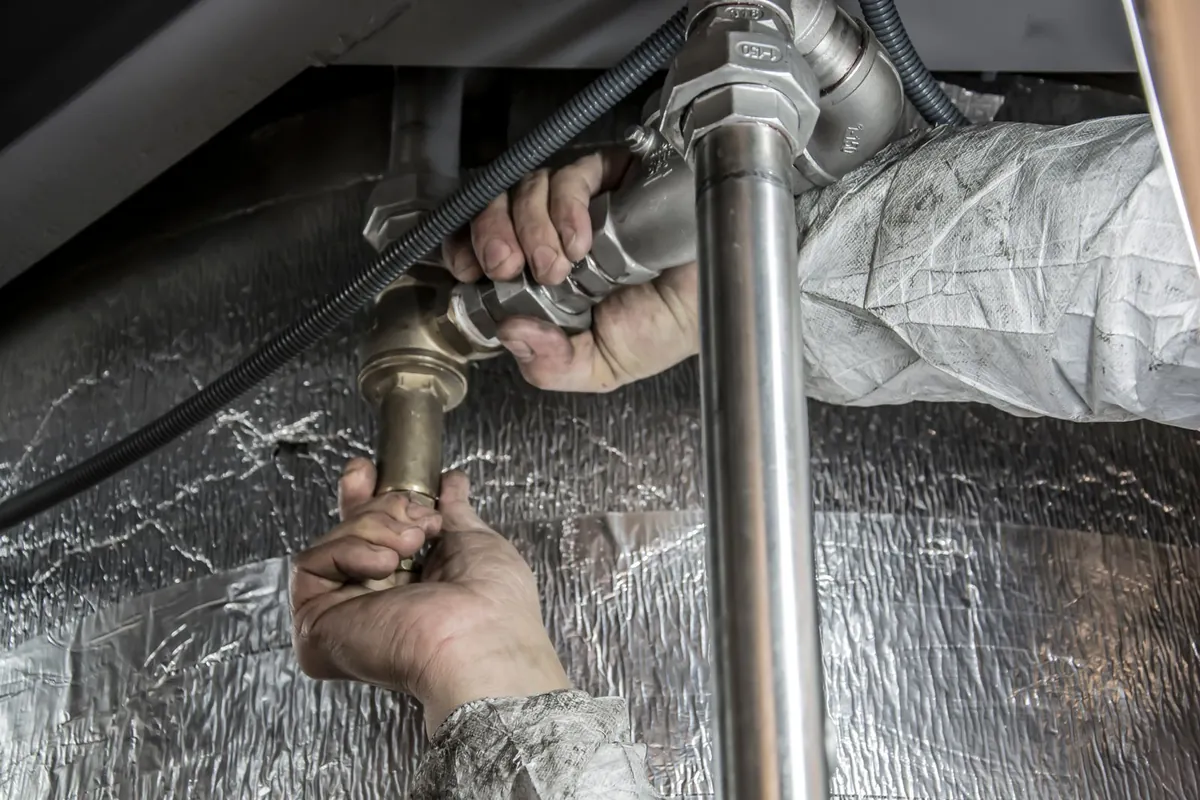
The Skunk Creek and New River corridors give Glendale defined paths for monsoon runoff, and properties near those washes watch street and yard water closely during intense cells. Surface water entering at a threshold or garage behaves differently from a plumbing release and is documented differently for insurers. After a storm entry we check wall bases along the water-facing side, remove contaminated silt from hard floors, and dry the lower wall assembly before repairs begin.
Services available in Glendale
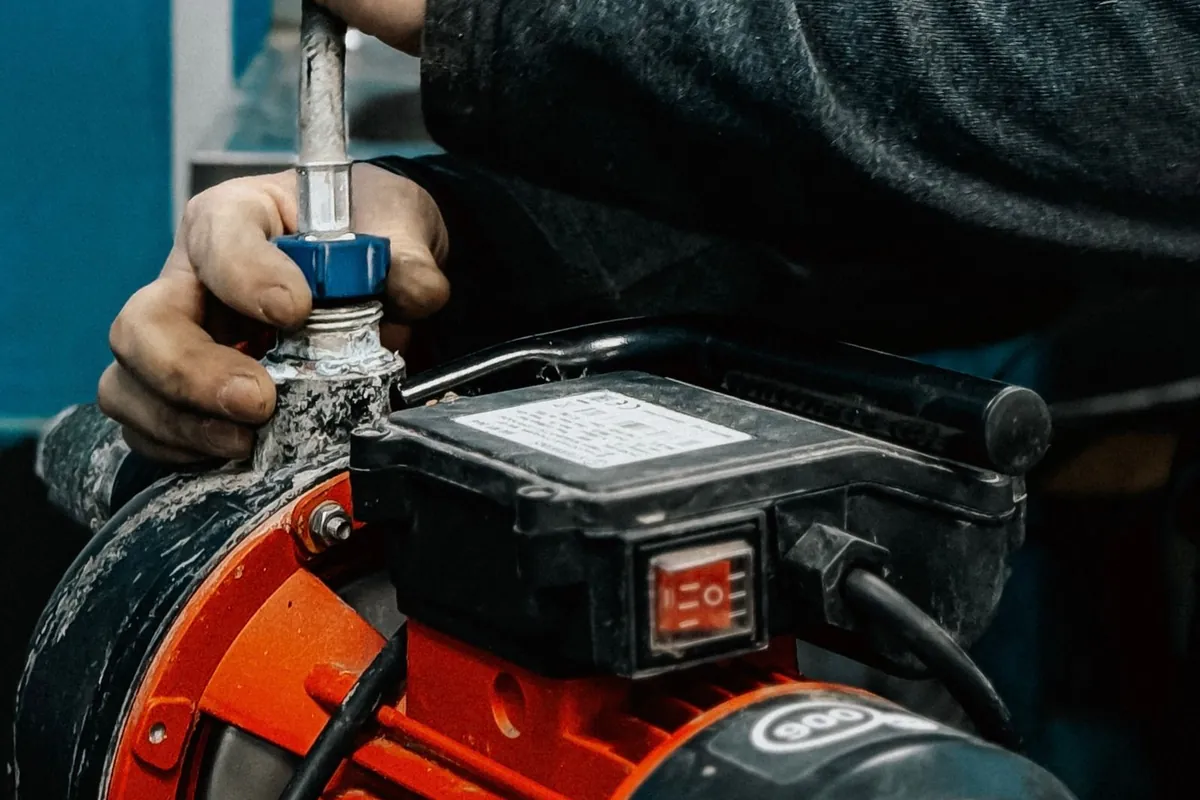 Water ExtractionStanding water removed with pumps and extraction tools, then measured so hidden moisture does not stay behind.
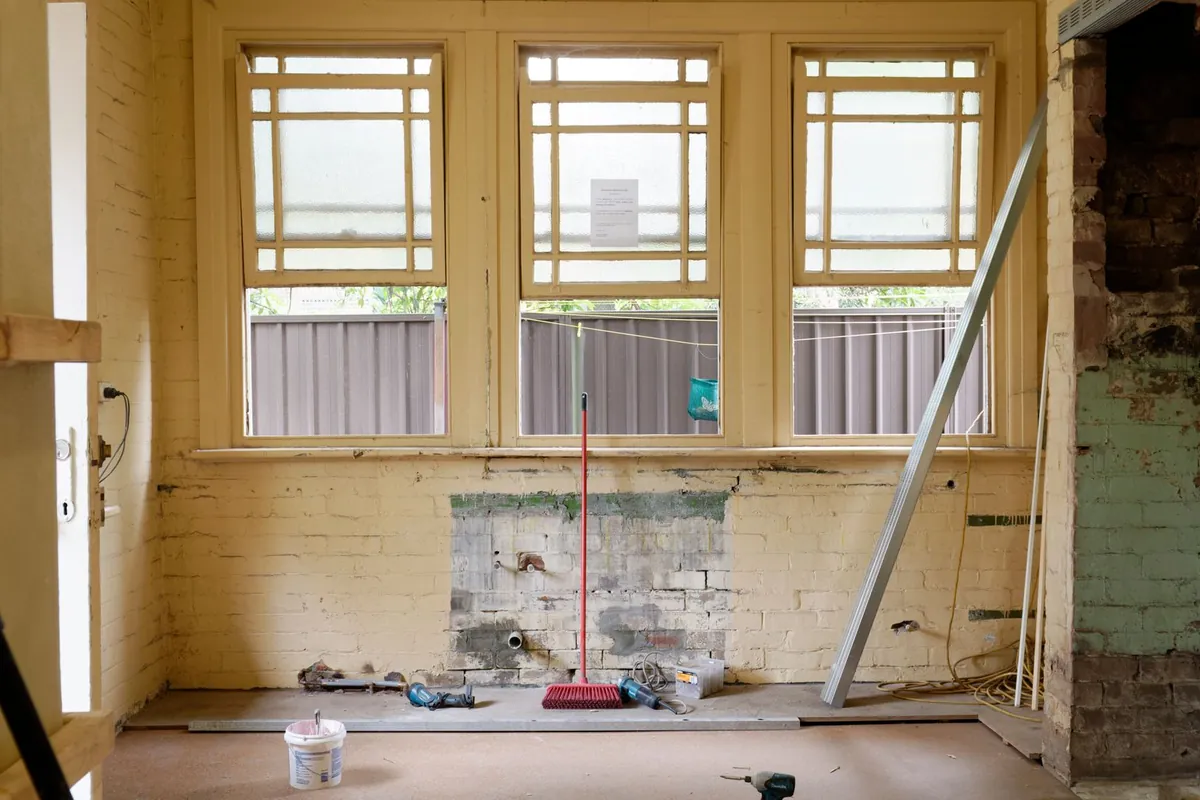 Structural DryingWalls, floors and cabinets dried to a measured dry standard, with readings logged every day.
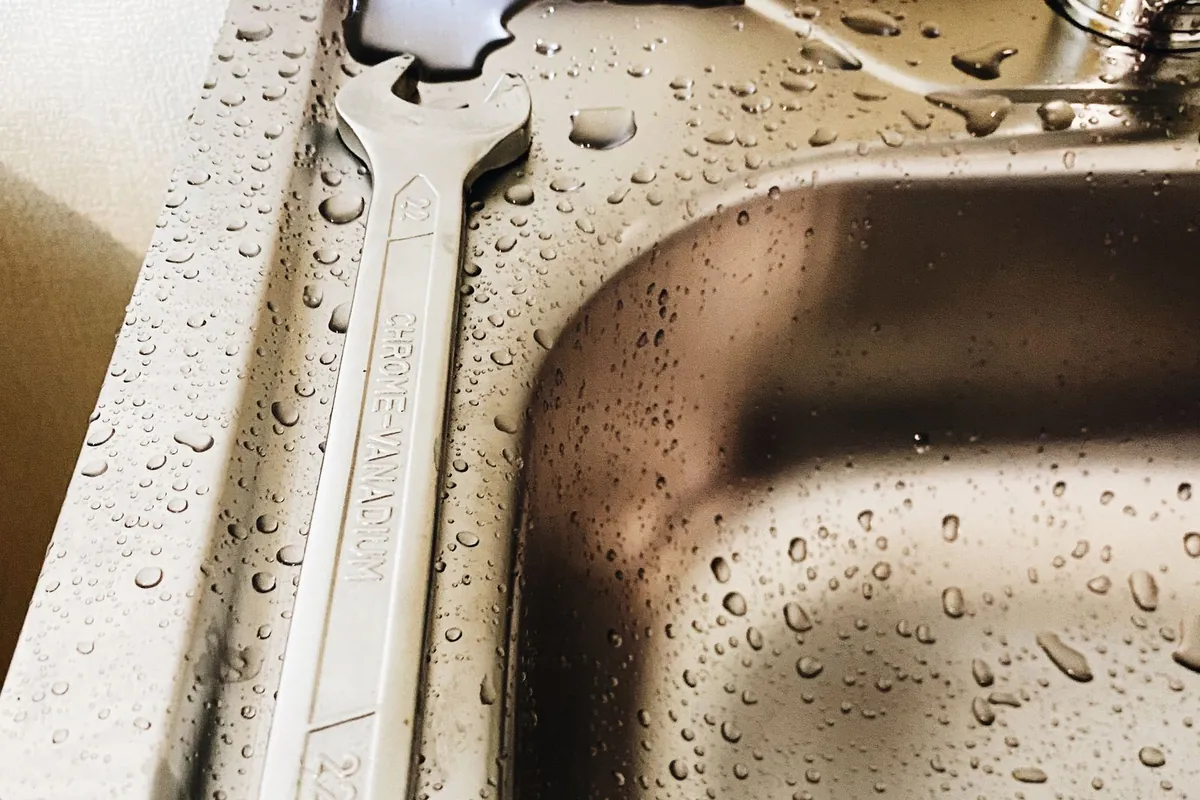 Leak & Burst Pipe CleanupCleanup after supply line, appliance and water heater leaks, dried and documented from the source outward.
- Flood CleanupRising water handled as Category 3: safe extraction, contaminated materials out, structure sanitised and dried.
- Mold RemediationContained, S520-based mould removal that starts with fixing the moisture source — and honest advice when no big job is needed.
- Repairs & RebuildRooms put back after drying: drywall, flooring, trim and cabinets from an itemised written scope.
- Slab Leak RepairMoisture mapping, drying and documentation for leaks under concrete slabs in slab-on-grade Arizona homes.
What a visit looks like in Glendale
A Glendale visit starts with an era check: we identify the district and build period before placing equipment, because bungalow plaster, Arrowhead-era framing and new northern construction each dry on their own schedule. We walk the exterior when a wash corridor or a storm is part of the story, then meter from the source outward through every room the water could reasonably have reached. Older homes get extra documentation of existing conditions, so pre-existing wear is never confused with damage from the current loss.
Safety first
we check for electrical hazards, sagging ceilings and contaminated water before anything else.
Source stopped
we confirm the leak or supply line is shut off so no new water is entering the structure.
How far the moisture travelled
we take meter readings and build a moisture map of every affected room and material.
What dries in place vs what comes out
we explain what can be dried safely in place and what needs to be removed, and why.
Neighbourhoods we cover in Glendale
Catlin Court and Downtown Glendale form the historic eastern core, where bungalows on ageing galvanised systems need careful, preservation-minded drying when a line finally fails. Arrowhead Ranch brings the large polybutylene-era community of the northwest, with family homes now relying on supply systems installed decades ago. North Glendale adds the newest subdivisions, and the Westgate Area around the stadium represents modern Glendale, where component failures and storm water are the more common callouts.
- Catlin Court
- Arrowhead Ranch
- Downtown Glendale
- North Glendale
- Westgate Area
- 85301
- 85302
- 85303
- 85304
- 85305
- 85306
- 85307
- 85308
- 85310
Galvanised steel is generally expected to serve around forty to sixty years, and Catlin Court era homes have now passed that span, which is why pressure drops and rusty water are common warnings there. Passing the expected life does not mean every pipe fails at once, but it does mean a leak should trigger a wider condition conversation.
Arrowhead Ranch was built between 1970 and 1999, which places much of the community squarely within the years when polybutylene supply systems were commonly installed. Homes of that era can carry that material, and failures often appear at fittings or manifolds after decades of quiet service.
Photograph the water line on walls and the condition of the street and yard if it is safe, because storm entry is documented differently from a plumbing failure for insurance purposes. Keep silt and debris in place until it is recorded, then let extraction and drying begin promptly, since desert runoff leaves grit that holds moisture against floors.
Water where it shouldn't be in Glendale?
One call tells us what happened, where you are, and what the water touched — and gets the drying started before the damage spreads.
Tell us what happened
Call, or send the form and we'll call you back. If water is still spreading, shut the water off at the main if you can do it safely — then call.
- Phone(855) 981-1210
- Address6900 N 21st Ave, Phoenix, AZ 85015
- Coverage25 Arizona cities — see the service map