Water Damage Restoration in Phoenix, AZ
In Phoenix, water damage rarely follows one pattern, because a mid-century Maryvale home and a newer North Phoenix build fail in completely different ways.
- CoveragePhoenix, Arizona — one of 25 service cities across the state
- Phone(855) 981-1210
- On every jobWritten scope first, with photo records for your insurer
Serving Phoenix and nearby
- Measured dryingDaily moisture readings guide every drying decision.
- Written scope firstYou see the itemised scope before work begins.
- Photo recordsPhotos and logs from first visit to final walkthrough.
- Homes and businessesHouses, rentals, offices, shops and restaurants.
Three plumbing eras under one Phoenix skyline
Phoenix homes need water damage help for slab leaks stressed by shifting clay, ageing galvanised and copper lines, polybutylene failures in older stock, and monsoon water through low-slope roofs. We extract standing water, locate the source, dry the structure with measured readings, photograph every stage, and document the work clearly for your records and insurer.
Phoenix is the Arizona capital and the largest city in this project, home to more than 1.6 million people spread across an unusually wide mix of housing ages. That spread matters more here than in any newer suburb, because the pipe material under a floor can change completely from one street to the next. A restoration call in the older core is often a story about old metal finally giving way, while a call a few miles out may involve a very different system installed decades later.
The second part of the Phoenix story sits under the slab itself. Much of the city is built slab-on-grade over expansive clay that swells when monsoon moisture arrives and shrinks again as the ground dries out. That slow seasonal movement can stress lines running through or beneath the slab, turning a tiny weakness into a hidden leak that soaks flooring and baseboards before anyone sees a stain. By the time a homeowner notices warmth under tile or a soft spot in laminate, the water has usually been moving for a while.
How Phoenix homes get wet
Galvanised lines in the older core
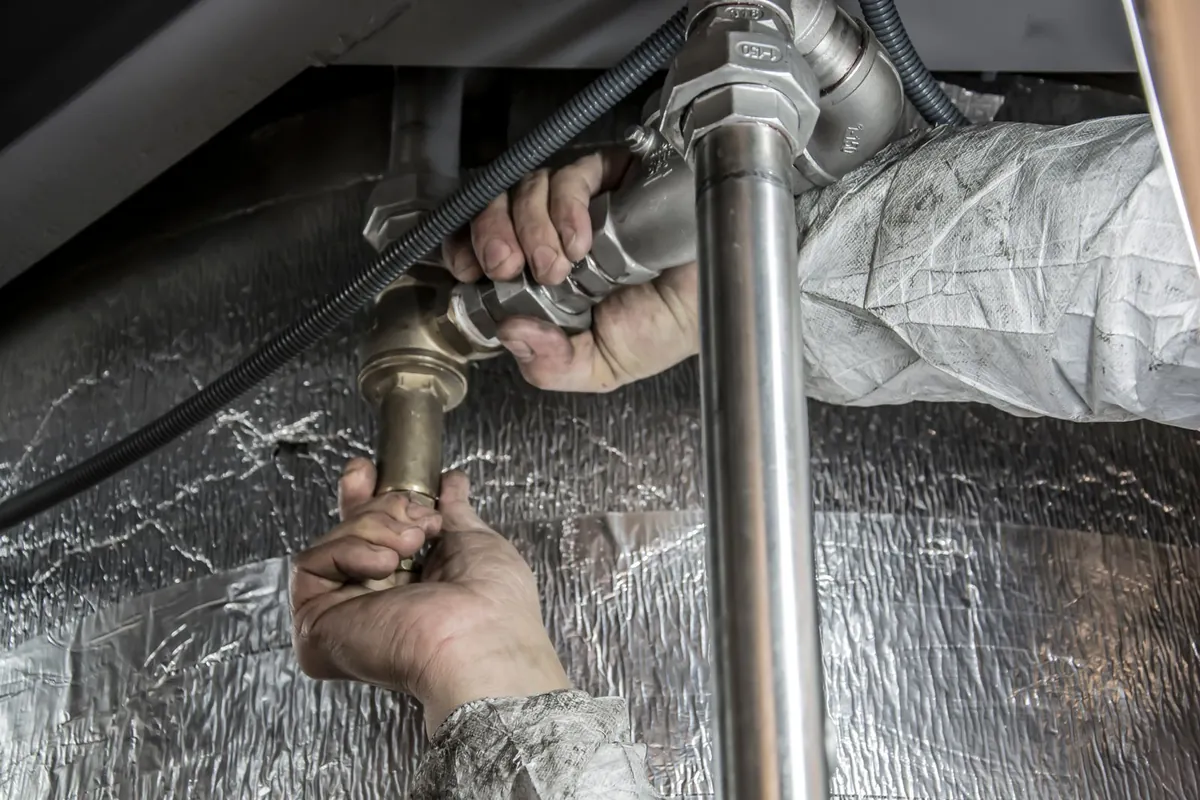
Homes around Maryvale and the central districts can still carry galvanised lines from an earlier plumbing era, and those lines narrow and corrode from the inside over time. A failure here often begins as discoloured water or a drop in pressure, then becomes a leak inside a wall or ceiling. We trace the affected run, stop the water, and dry the surrounding materials before corrosion debris and moisture spread the damage further.
Pre-1990 copper reaching a vulnerable age
Trade experience across Phoenix points to pre-1990 copper as especially vulnerable in local conditions, particularly where hard water and age work together on joints and thin spots. Pinhole leaks are frustrating because they can mist quietly inside a wall cavity for days, feeding mould-friendly damp without ever forming a dramatic puddle.
Polybutylene in 1978 to 1995 housing
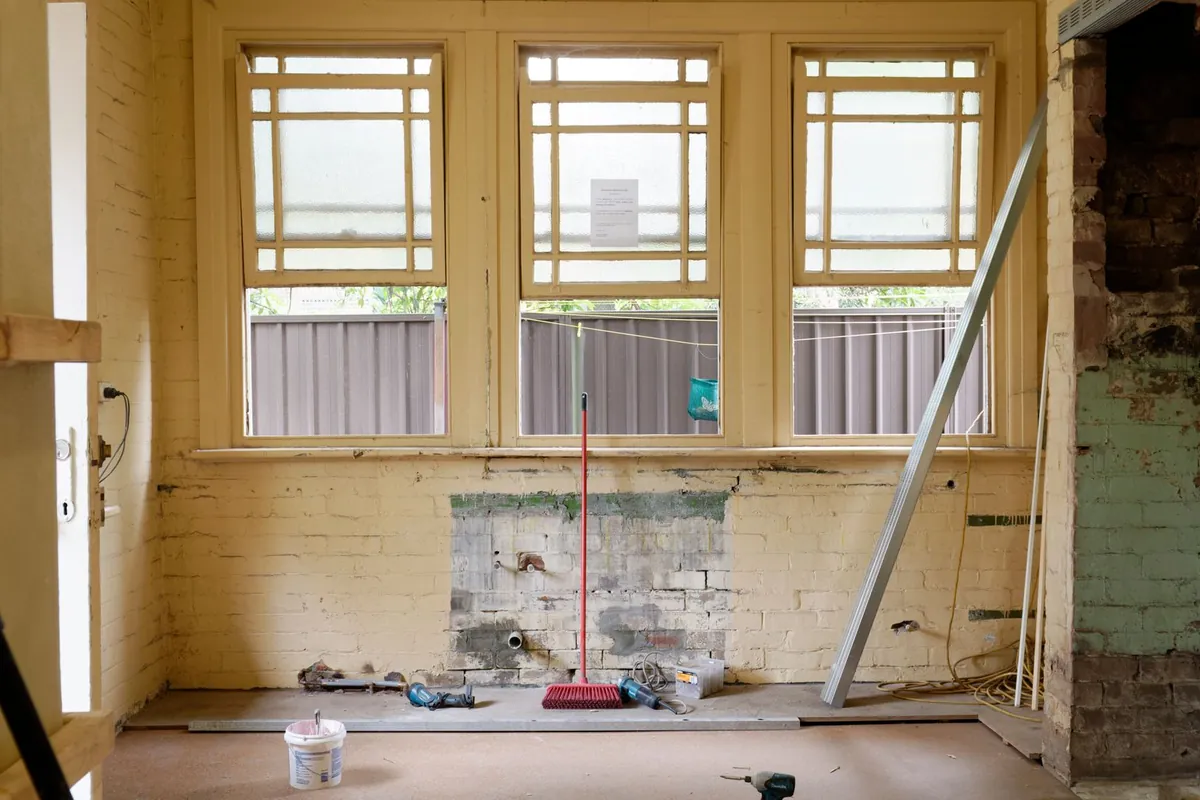
Phoenix stock built between 1978 and 1995 can include polybutylene supply lines, a material from that era that homeowners still encounter during repairs and remodels. When a fitting or a length of that pipe fails, the release can be sudden and can soak several rooms across a slab floor very quickly. We shut down the source, remove standing water, check adjoining rooms for migration, and keep drying until meter readings show the structure has returned to a dry standard.
Monsoon ponding on flat and low-slope roofs
Mid-century Phoenix homes often carry flat or low-slope roofs, and a heavy monsoon cell can leave water ponding where drainage is slow or a scupper is blocked. That standing water finds seams, penetrations and tired flashing, then appears as a ceiling stain far from the actual entry point. We follow the moisture path from the roof deck downward, dry the ceiling assembly, and document the entry area so the follow-up roof repair targets the right place.
Services available in Phoenix
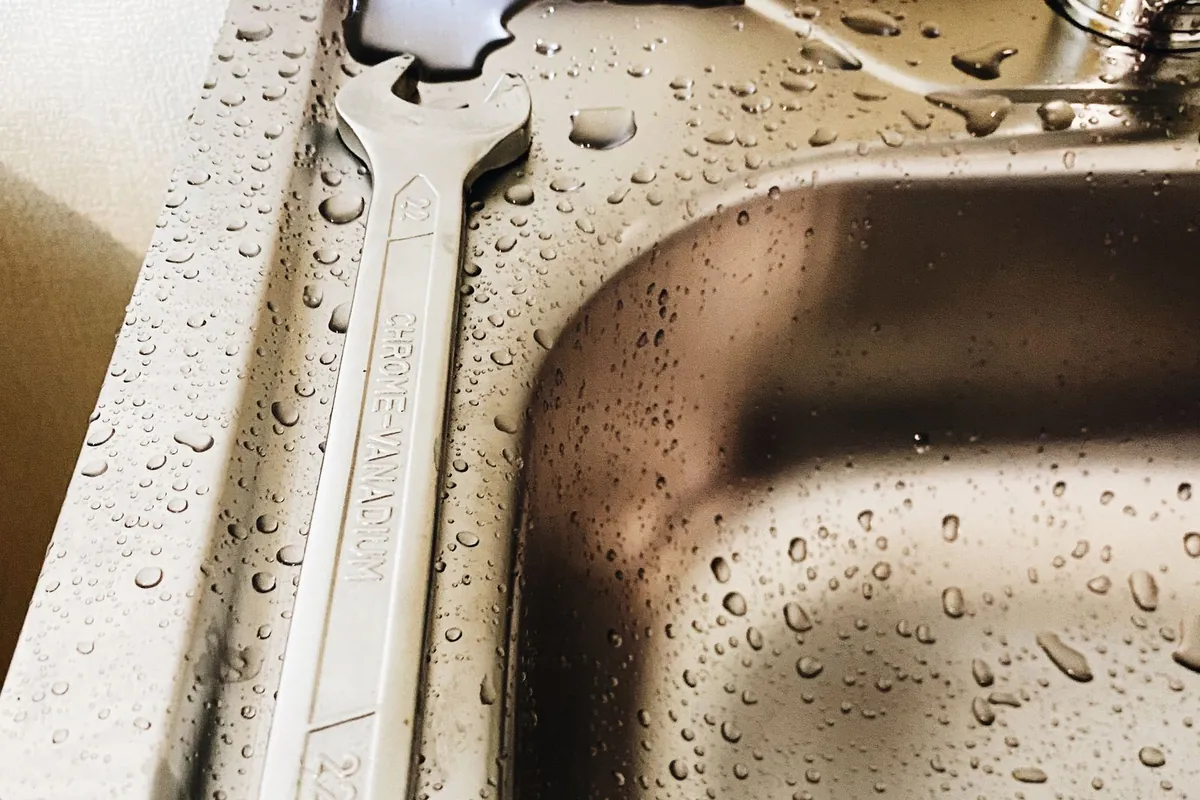
- Water ExtractionStanding water removed with pumps and extraction tools, then measured so hidden moisture does not stay behind.
- Structural DryingWalls, floors and cabinets dried to a measured dry standard, with readings logged every day.
- Leak & Burst Pipe CleanupCleanup after supply line, appliance and water heater leaks, dried and documented from the source outward.
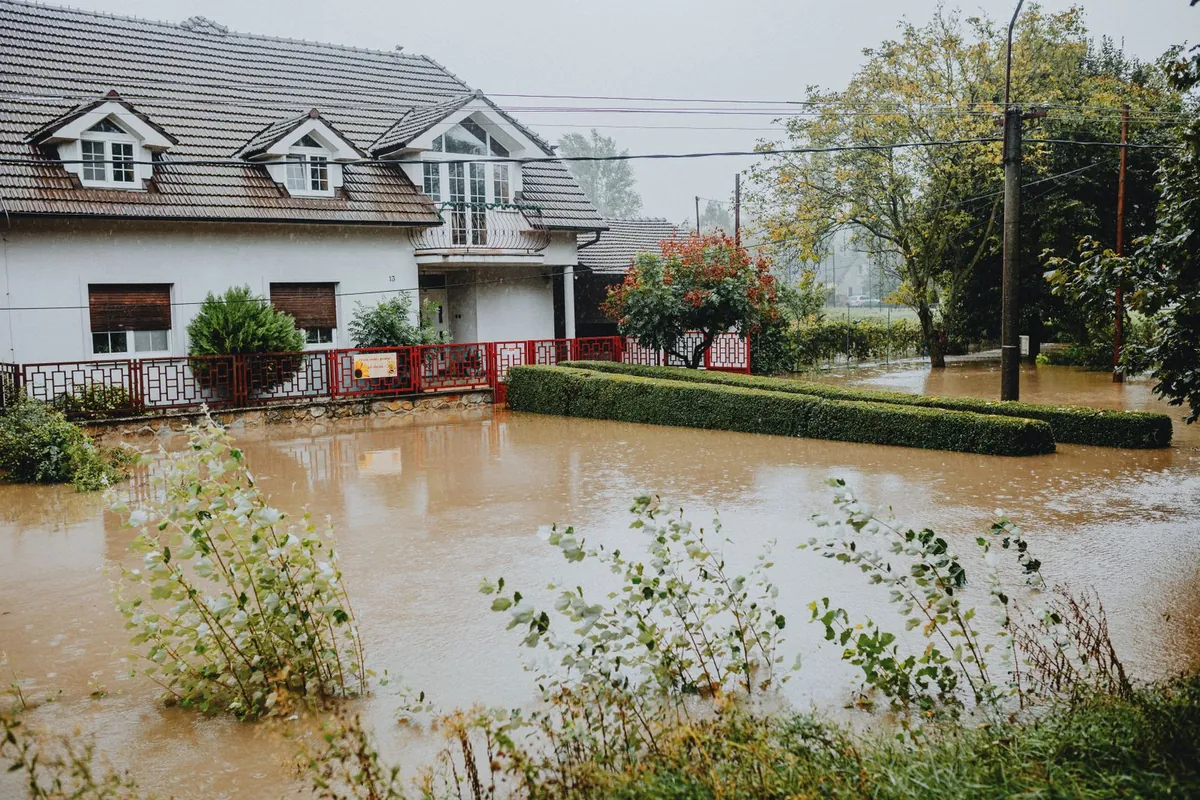 Flood CleanupRising water handled as Category 3: safe extraction, contaminated materials out, structure sanitised and dried.
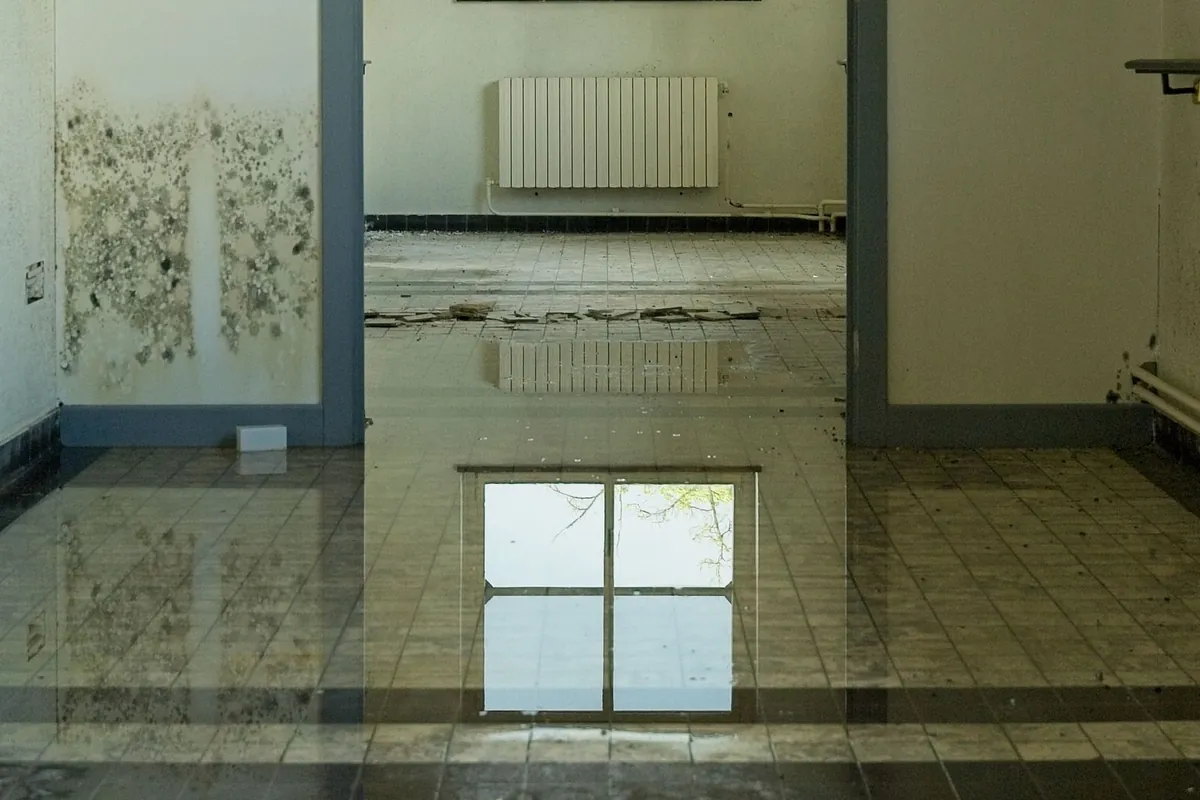 Mold RemediationContained, S520-based mould removal that starts with fixing the moisture source — and honest advice when no big job is needed.
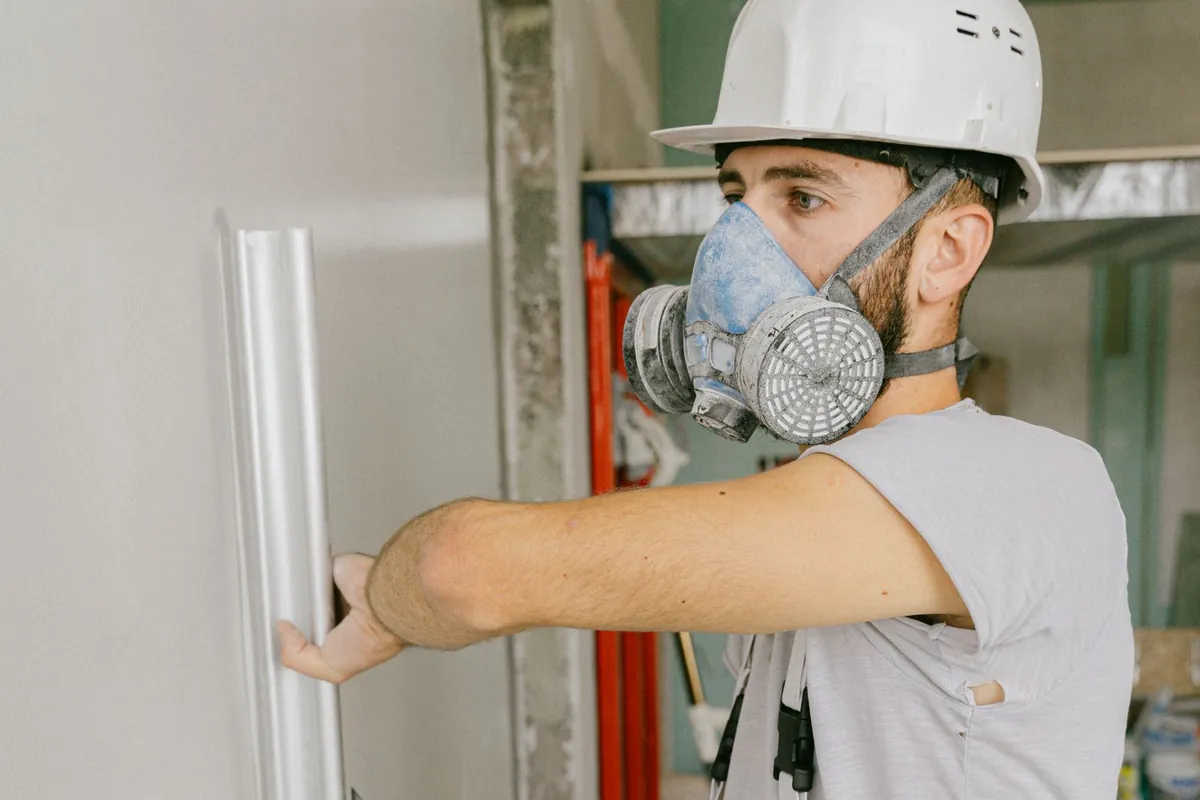 Repairs & RebuildRooms put back after drying: drywall, flooring, trim and cabinets from an itemised written scope.
- Slab Leak RepairMoisture mapping, drying and documentation for leaks under concrete slabs in slab-on-grade Arizona homes.
What a visit looks like in Phoenix
A Phoenix visit usually begins with source control and a slow meter walk through the rooms adjoining the reported problem, because water travels surprisingly far across a slab under finished flooring. In older central homes we allow extra time for wall cavities and layered repairs from earlier decades, while in newer northern subdivisions the focus often shifts to the garage heater, laundry connections and second-floor bathrooms. During monsoon season we also check ceilings and roof drainage clues, since a storm entry and a plumbing leak can present with almost identical stains.
Safety first
we check for electrical hazards, sagging ceilings and contaminated water before anything else.
Source stopped
we confirm the leak or supply line is shut off so no new water is entering the structure.
How far the moisture travelled
we take meter readings and build a moisture map of every affected room and material.
What dries in place vs what comes out
we explain what can be dried safely in place and what needs to be removed, and why.
Neighbourhoods we cover in Phoenix
Arcadia and the Biltmore area bring older, higher-finish homes where a ceiling leak can threaten custom plaster and woodwork, while Maryvale carries much of the galvanised-era stock described above. Ahwatukee and Laveen mix later subdivisions with slab construction that still faces monsoon ground movement, and North Phoenix adds a broad band of family housing where heater and supply-line failures are the everyday call.
- Arcadia
- Biltmore
- Ahwatukee
- Maryvale
- Laveen
- North Phoenix
- 85003
- 85006
- 85008
- 85014
- 85016
- 85018
- 85020
- 85022
- 85027
- 85032
- 85035
- 85041
- 85044
- 85048
A warm patch on a slab floor often points to a hot-water line leaking beneath the concrete, warming the surface above it as water escapes. Do not ignore the sign, because that same leak is saturating the slab edge, flooring adhesive and nearby baseboards while it runs. We test to confirm the source, then plan access, drying and documentation around the confirmed line.
Yes, Phoenix water is hard enough to build scale inside heaters, valves and fixtures, which can shorten their life and contribute to connection failures over time. The damage itself usually arrives as a leak from a stressed component rather than from the scale alone. Keeping heaters serviced helps, and any unexplained damp near a heater or under a sink deserves a prompt inspection and drying check.
Move belongings away from the drip area, place a container under the active water, and avoid pressing on a bulging ceiling section that may be holding pooled water. Photograph the stain and the roof area if it can be done safely from inside, because those images help establish the timeline. We then trace the entry path, dry the ceiling assembly, and record moisture levels as they fall.
Also serving nearby
Water where it shouldn't be in Phoenix?
One call tells us what happened, where you are, and what the water touched — and gets the drying started before the damage spreads.
Tell us what happened
Call, or send the form and we'll call you back. If water is still spreading, shut the water off at the main if you can do it safely — then call.
- Phone(855) 981-1210
- Address6900 N 21st Ave, Phoenix, AZ 85015
- Coverage25 Arizona cities — see the service map