Water Damage Restoration in Tucson, AZ
Tucson is not a southern suburb of Phoenix; it is its own desert city with older building traditions, its own water blend and its own ways for a home to get wet.
- CoverageTucson, Arizona — one of 25 service cities across the state
- Phone(855) 981-1210
- On every jobWritten scope first, with photo records for your insurer
Serving Tucson and nearby
- Measured dryingDaily moisture readings guide every drying decision.
- Written scope firstYou see the itemised scope before work begins.
- Photo recordsPhotos and logs from first visit to final walkthrough.
- Homes and businessesHouses, rentals, offices, shops and restaurants.
Adobe walls, ranch stock and a water blend that shifts by neighbourhood
Tucson water damage help centres on ageing ranch-home plumbing, roof-mounted swamp cooler leaks, supply-line failures in seasonally occupied homes, and monsoon water near the city washes. We stop the source, remove standing water, dry adobe, masonry and framed construction appropriately, and photograph the work so owners, including winter visitors, can follow every step clearly.
Tucson sits about 110 miles south of Phoenix and functions as a completely separate market, with about 547,000 residents and a building history that feels different the moment you step into its older neighbourhoods. Fired-adobe and adobe homes anchor the historic core, while broad tracts of mid-century ranch housing carry the city outward in every direction. That combination means a Tucson drying job might involve thick earthen walls on one street and conventional framed ranch construction on the next.
Water behaviour here follows desert geography as much as plumbing. The Santa Cruz River, Rillito Creek and Pantano Wash cut through the metro, mostly dry and then suddenly purposeful during monsoon storms, and homes near those corridors pay closer attention to drainage and street runoff. Add a significant seasonal population, with about nineteen percent of vacant homes held for seasonal use, and Tucson gains a second signature risk: the leak that starts in an empty house in a full-size city.
How Tucson homes get wet
Swamp cooler leaks on older roofs
Roof-mounted evaporative coolers remain common on older Tucson homes, and trade accounts note that they clog with scale as pads, lines and pans age through hot seasons. A blocked or cracked cooler can send water across a roof and into the ceiling below, often first appearing as a spreading stain over a hallway or bedroom. We dry the ceiling and roof assembly carefully, confirm the cooler is the true source, and document the path so the cooler repair addresses the actual failure.
Mid-century ranch plumbing reaching old age
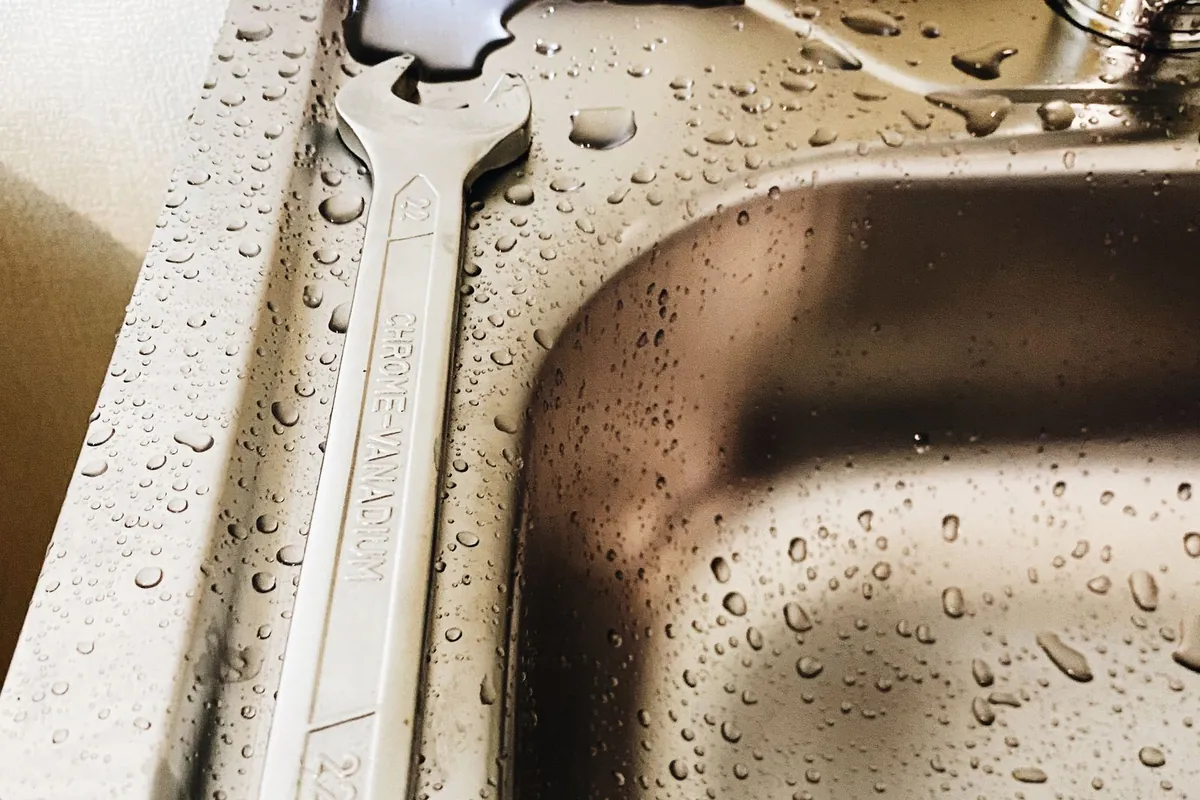
Tucson has a large stock of mid-century ranch homes whose original and early replacement plumbing has now served for many decades. Supply lines, drain connections and bathroom fittings in these homes can fail in unglamorous ways, with slow leaks at tubs, toilets and under-sink valves soaking subfloors and wall bases.
Monsoon water near washes and low crossings
When monsoon rain fills the Santa Cruz River, Rillito Creek and Pantano Wash, nearby streets and low lots can take on surface water faster than drainage clears it. Homes close to those corridors may see water at thresholds, garage edges and patio doors even when the roof and plumbing are sound. We separate storm entry from plumbing failure during the first visit, extract what came in, and dry wall bases and flooring with attention to the silt and debris desert runoff leaves behind.
Seasonal homes left closed between visits
With about nineteen percent of vacant Tucson homes held for seasonal use, many properties sit closed while their owners are elsewhere for months at a time. A heater valve or an ice-maker line that begins leaking in an empty home can damage floors across several rooms before a neighbour or a house checker spots it.
Services available in Tucson
- Water ExtractionStanding water removed with pumps and extraction tools, then measured so hidden moisture does not stay behind.
- Structural DryingWalls, floors and cabinets dried to a measured dry standard, with readings logged every day.
- Leak & Burst Pipe CleanupCleanup after supply line, appliance and water heater leaks, dried and documented from the source outward.
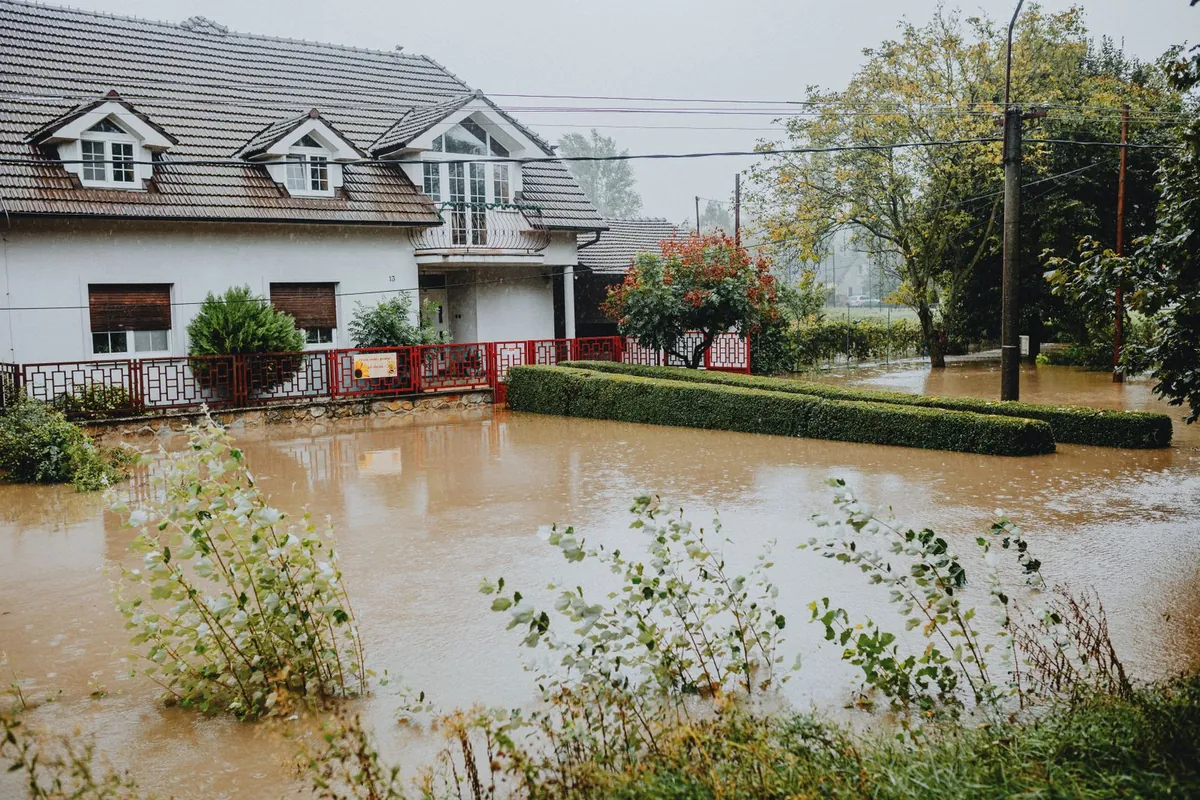 Flood CleanupRising water handled as Category 3: safe extraction, contaminated materials out, structure sanitised and dried.
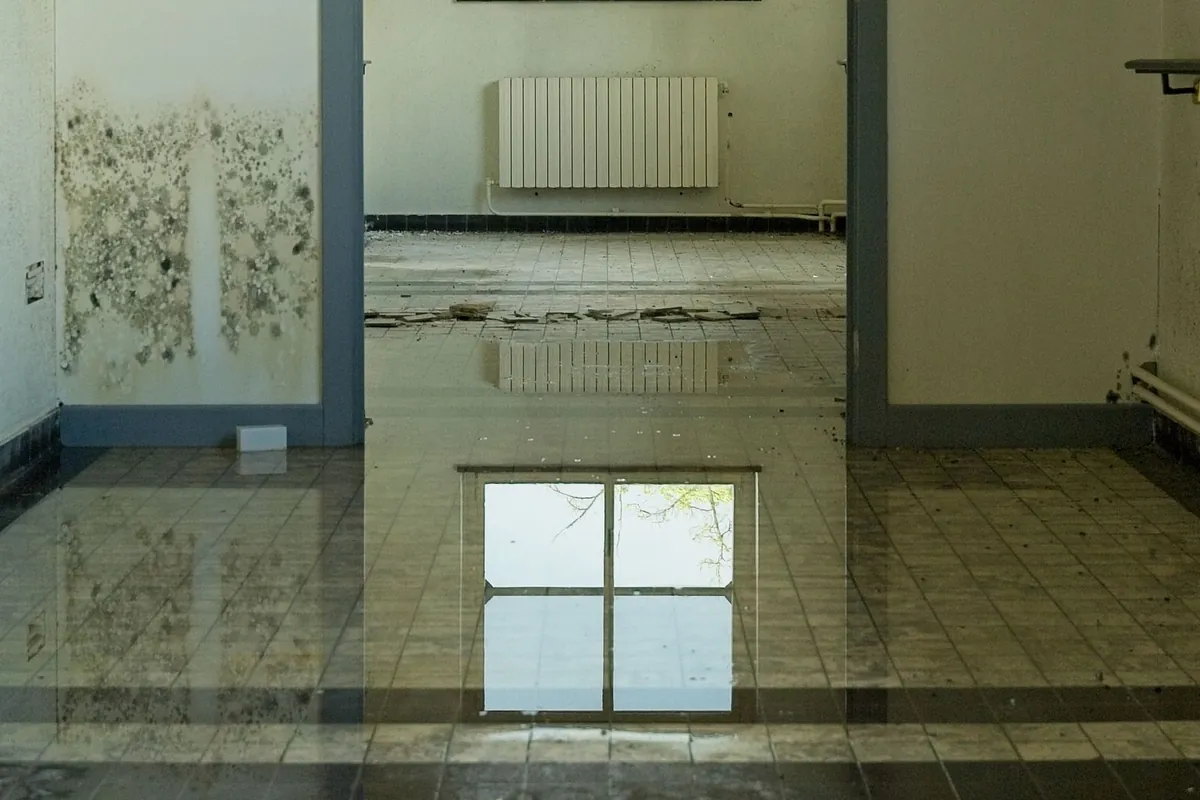 Mold RemediationContained, S520-based mould removal that starts with fixing the moisture source — and honest advice when no big job is needed.
- Repairs & RebuildRooms put back after drying: drywall, flooring, trim and cabinets from an itemised written scope.
- Slab Leak RepairMoisture mapping, drying and documentation for leaks under concrete slabs in slab-on-grade Arizona homes.
What a visit looks like in Tucson
A Tucson visit begins by identifying the building type before any equipment is placed, because adobe, masonry and framed ranch walls each need a different drying rhythm and different meter technique. We check roof-mounted coolers early on older homes, walk the exterior for wash and drainage clues after storms, and ask about occupancy, since a seasonal home may need a fuller survey than the room where damage was first spotted. Findings are photographed room by room so an absent owner receives the same picture a present one would see.
Safety first
we check for electrical hazards, sagging ceilings and contaminated water before anything else.
Source stopped
we confirm the leak or supply line is shut off so no new water is entering the structure.
How far the moisture travelled
we take meter readings and build a moisture map of every affected room and material.
What dries in place vs what comes out
we explain what can be dried safely in place and what needs to be removed, and why.
Neighbourhoods we cover in Tucson
Barrio Viejo and Armory Park carry the fired-adobe historic core, where wall construction and heritage finishes demand the slowest, most careful drying in the city. Sam Hughes mixes early twentieth-century character with later remodels that can hide several plumbing eras inside one home.
- Barrio Viejo
- Armory Park
- Sam Hughes
- Santa Cruz River Corridor
- Rillito Creek Area
- Pantano Wash Area
- 85701
- 85705
- 85706
- 85710
- 85711
- 85712
- 85713
- 85715
- 85716
- 85718
- 85719
- 85741
- 85742
- 85745
- 85746
- 85747
- 85748
- 85749
- 85750
- 85756
- 85757
Yes, a roof-mounted evaporative cooler holds and circulates water above your ceiling, and a clogged line, cracked pan or failed float can release that water into the roof assembly. The first sign is often a ceiling stain or a drip that appears only while the cooler runs. Shut the cooler down, protect the room below, and have the ceiling dried and measured rather than simply repainted.
Adobe and fired-adobe walls store moisture deep inside thick material and release it slowly, so they need longer monitoring and deeper readings than a framed drywall partition. Sealing or replastering too early can trap damp inside the wall and damage the adobe itself. We track readings until the wall core is genuinely dry, then document the levels reached so repair work can proceed with confidence.
Tell us when the home was last occupied and whether a house checker visited, because that timeline helps establish how long the water may have been active. Photograph conditions before tidying up, shut off the water if a plumbing source is suspected, and keep any removed items until the loss is reviewed.
Also serving nearby
Water where it shouldn't be in Tucson?
One call tells us what happened, where you are, and what the water touched — and gets the drying started before the damage spreads.
Tell us what happened
Call, or send the form and we'll call you back. If water is still spreading, shut the water off at the main if you can do it safely — then call.
- Phone(855) 981-1210
- Address6900 N 21st Ave, Phoenix, AZ 85015
- Coverage25 Arizona cities — see the service map