Water Damage Restoration in Flagstaff, AZ
Flagstaff is the one city on this site where pipes genuinely freeze solid, where snow is measured in feet and where rain below a burn scar can flood a street. Restoration here follows mountain rules, not desert ones.
- CoverageFlagstaff, Arizona — one of 25 service cities across the state
- Phone(855) 981-1210
- On every jobWritten scope first, with photo records for your insurer
Serving Flagstaff and nearby
- Measured dryingDaily moisture readings guide every drying decision.
- Written scope firstYou see the itemised scope before work begins.
- Photo recordsPhotos and logs from first visit to final walkthrough.
- Homes and businessesHouses, rentals, offices, shops and restaurants.
Mountain Water Behaves Differently at 7,000 Feet
Flagstaff water damage is most often a frozen pipe that split during a cold snap and thawed into a wall or ceiling, a pattern the desert cities rarely see. Snowmelt and monsoon rain below burn scars add a second route. We stop the water, dry the structure thoroughly, and repair the damaged materials.
Flagstaff, home to about 76,000 people, is the seat of Coconino County and the service hub for all of northern Arizona, sitting at roughly 7,000 feet in the ponderosa pines. The city averages around 81 inches of snow in a typical year, a figure that reframes every plumbing conversation: pipes here face sustained freezing weather that Phoenix-area systems never encounter. Trade experience in the city is consistent on the result, with frozen and burst pipes standing as the leading local cause of water damage by a wide margin.
The second Flagstaff signature arrived with fire. The Museum Fire in 2019 left a burn scar on the slopes above established neighbourhoods, and through several monsoon seasons after the fire, rain running off that scar flooded streets and homes below it. Add Northern Arizona University rentals turning over each academic year and a fringe of second homes and cabins in places like Kachina Village and Munds Park, and Flagstaff restoration work spans burst pipes, flood cleanup and vacant-home freeze losses within the same week.
How Flagstaff homes get wet
Frozen pipes splitting during cold snaps
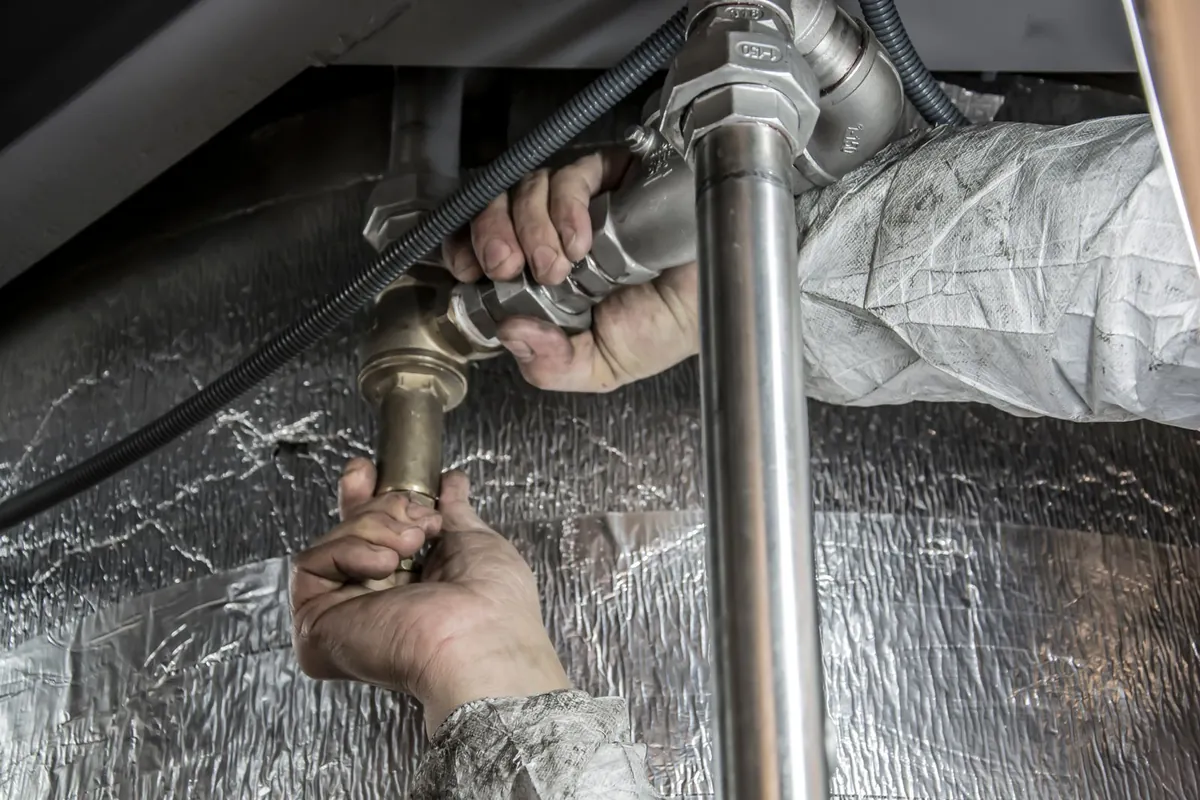
When temperatures stay below freezing, water inside exposed or poorly insulated pipes expands until the pipe wall gives way, and the break often stays silent until the thaw releases the full flow. Crawl spaces, exterior walls and unheated cabin plumbing are the classic Flagstaff locations. A split discovered at thaw can have soaked insulation, subfloor and drywall within hours, so the drying plan here assumes a larger wet area than the visible damage first suggests.
Monsoon flooding below the Museum Fire scar
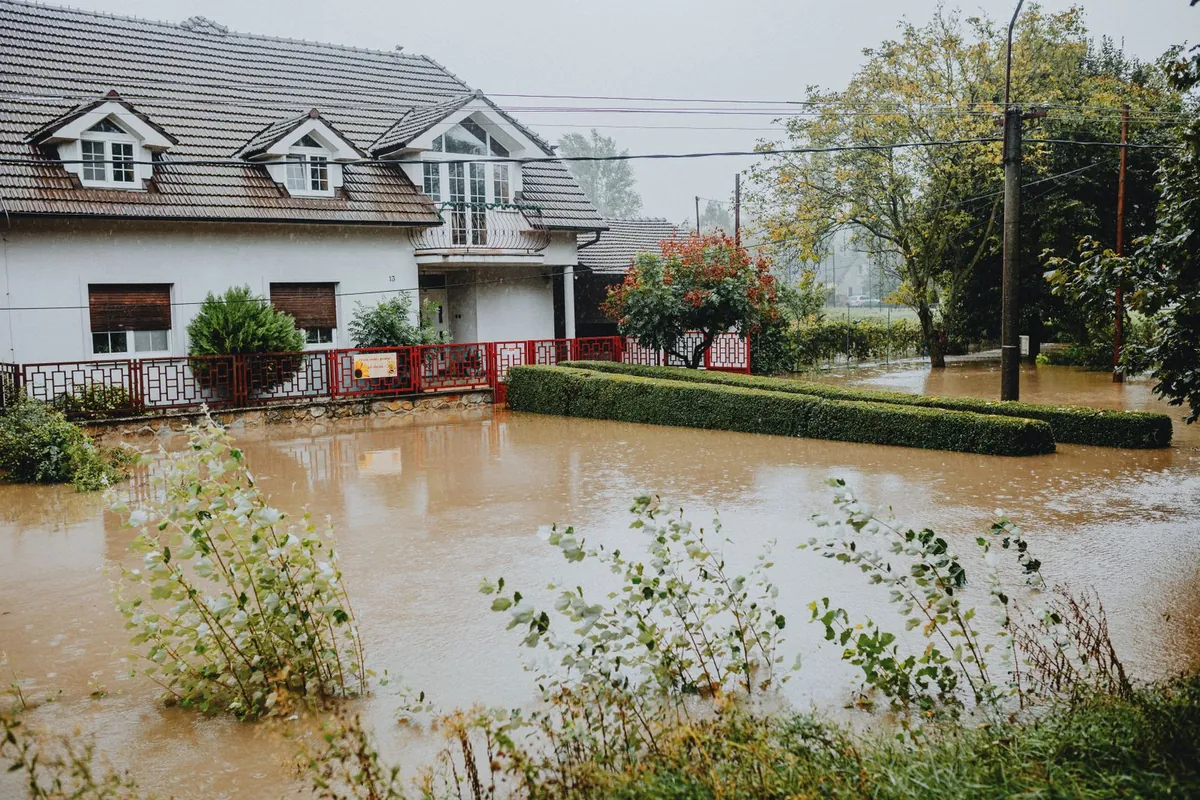
Rain that once soaked into forested slopes now runs quickly off the Museum Fire burn area, and neighbourhoods below the scar experienced repeated flooding through several monsoon seasons as the watershed recovered. Water arriving this way carries mud and debris into garages, ground floors and crawl spaces, which changes the cleanup from simple drying to removal of contaminated material. Homes in those streets benefit from treating every strong storm warning as a prompt to check ground-level rooms.
Snowmelt and roof ice problems
Deep snow sitting on Flagstaff roofs melts from the bottom layer upward, and refreezing at the eaves can push meltwater back under shingles and into ceiling cavities. The leak pattern confuses homeowners because it appears during dry, sunny winter days rather than during storms. Finding the entry means examining how snow and ice sit on that particular roof, and the repair conversation includes the roof condition alongside the interior drying and ceiling work.
Vacant second homes and cabins freezing empty
On the cabin fringe around Kachina Village and Munds Park, and in second homes across the city, a heating failure or an unprepared winter departure leaves pipes to freeze with nobody present to hear the break. Damage in these properties is routinely discovered days or weeks later, at the next visit. Our work in vacant homes therefore starts with a complete moisture survey of every room, including spaces the owner assumes stayed dry.
Services available in Flagstaff
- Water ExtractionStanding water removed with pumps and extraction tools, then measured so hidden moisture does not stay behind.
- Structural DryingWalls, floors and cabinets dried to a measured dry standard, with readings logged every day.
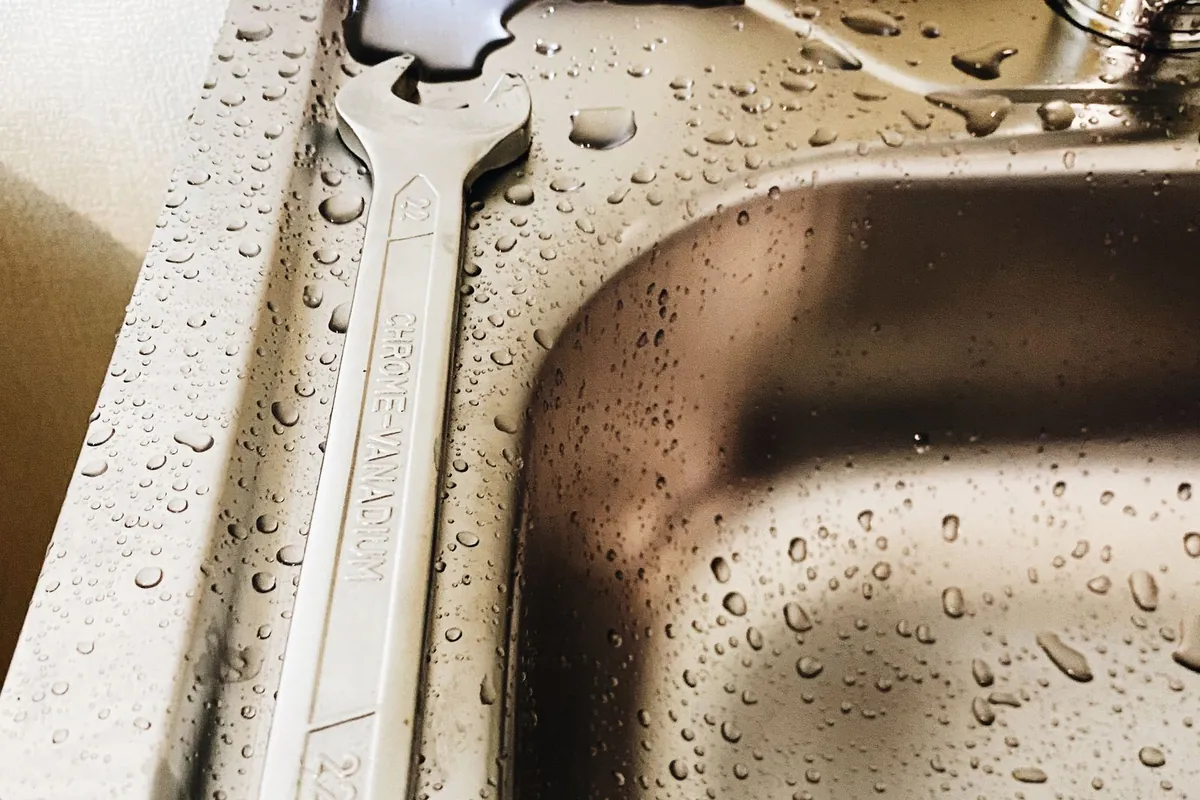 Leak & Burst Pipe CleanupCleanup after supply line, appliance and water heater leaks, dried and documented from the source outward.
- Flood CleanupRising water handled as Category 3: safe extraction, contaminated materials out, structure sanitised and dried.
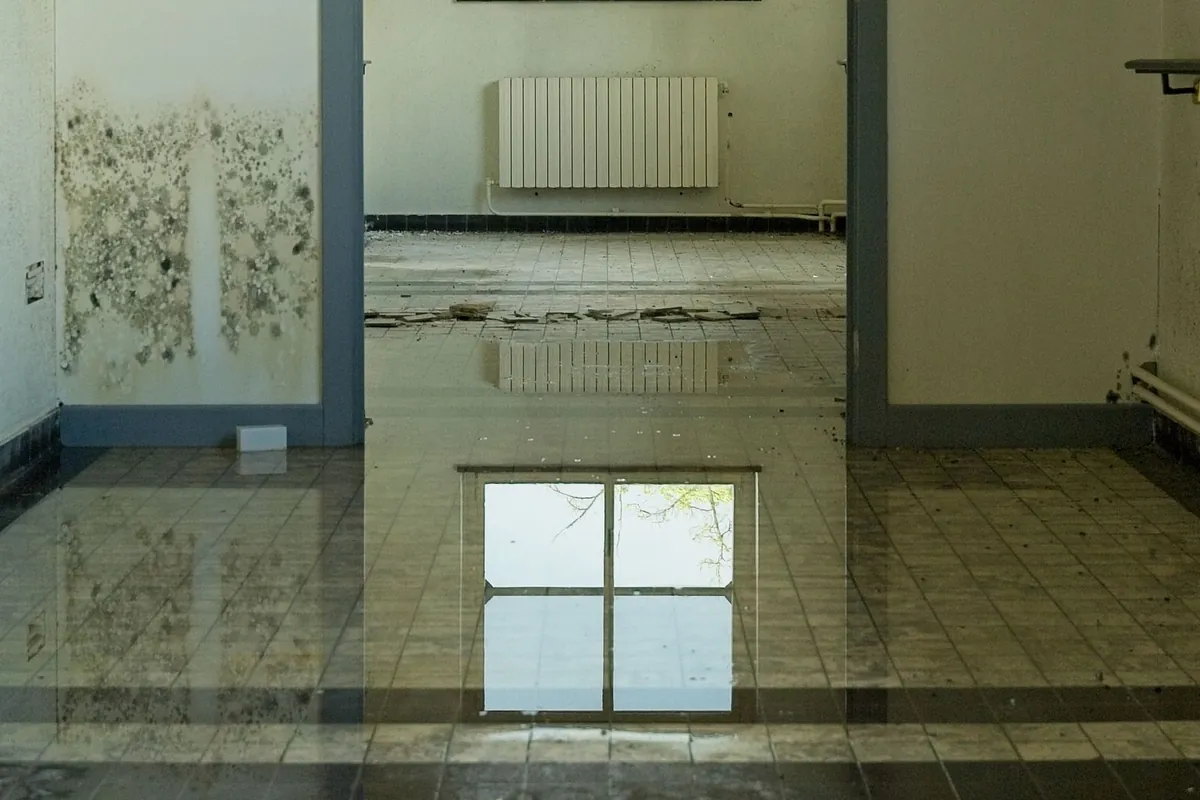 Mold RemediationContained, S520-based mould removal that starts with fixing the moisture source — and honest advice when no big job is needed.
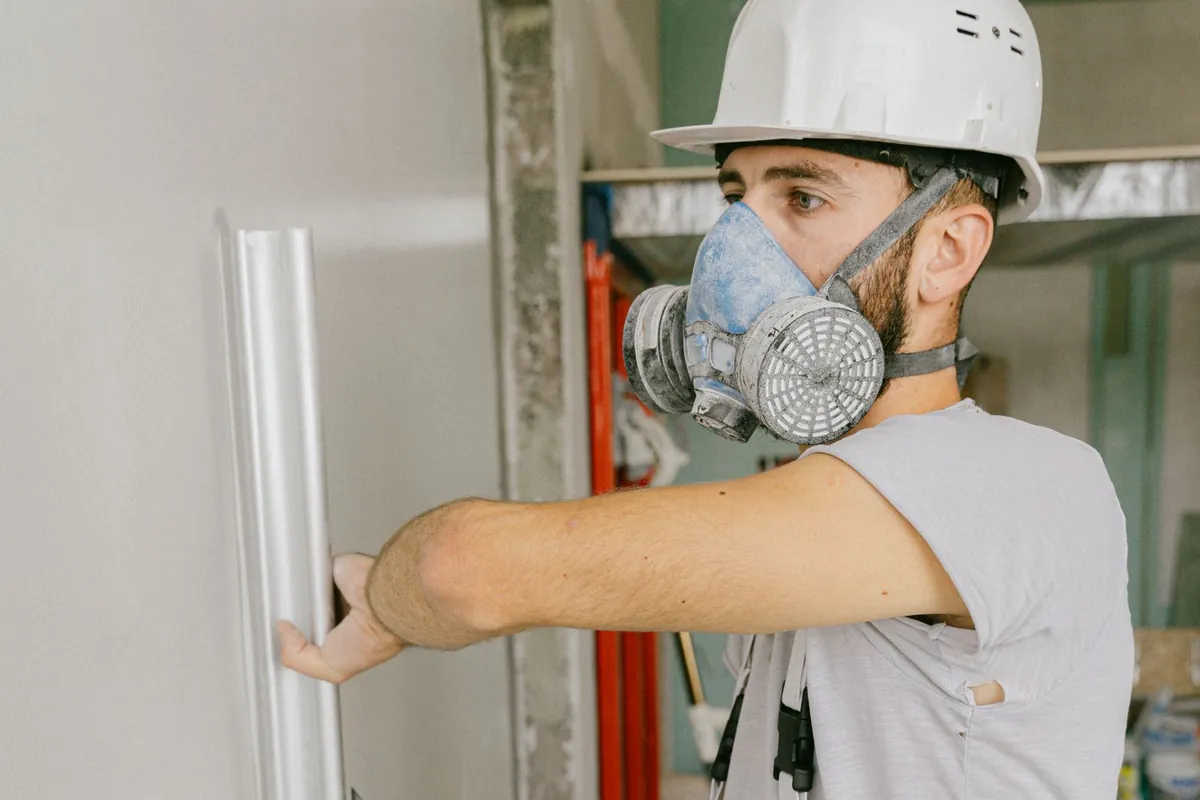 Repairs & RebuildRooms put back after drying: drywall, flooring, trim and cabinets from an itemised written scope.
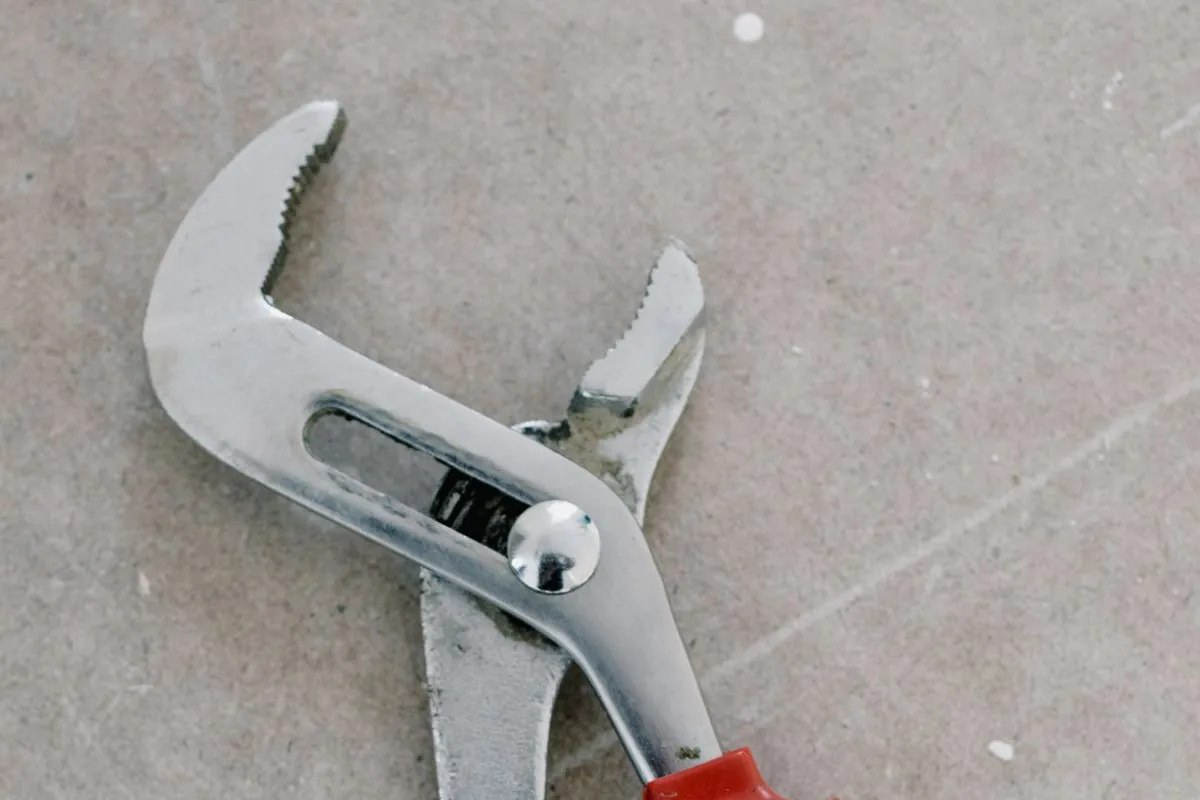 Slab Leak RepairMoisture mapping, drying and documentation for leaks under concrete slabs in slab-on-grade Arizona homes.
What a visit looks like in Flagstaff
A Flagstaff visit in winter starts outside the house, checking how snow, ice and roof load are interacting with the building before we ever discuss the wet ceiling inside. Indoors, we locate the break or entry point, confirm the water is fully stopped, and take readings through walls, floors and any crawl space access the property offers. Because cold slows drying, we set expectations in days of measured progress rather than hours, and we leave you with the readings at each check so the pace is visible rather than promised.
Safety first
we check for electrical hazards, sagging ceilings and contaminated water before anything else.
Source stopped
we confirm the leak or supply line is shut off so no new water is entering the structure.
How far the moisture travelled
we take meter readings and build a moisture map of every affected room and material.
What dries in place vs what comes out
we explain what can be dried safely in place and what needs to be removed, and why.
Neighbourhoods we cover in Flagstaff
Downtown and the Railroad Addition hold Flagstaff oldest housing, including homes built when the city was a railroad and timber town, while University Heights serves the university area with a mix of family homes and student rentals. Cheshire sits on the northwest side in the direction of the Museum Fire scar, a location that gives its storm flooding concerns a specific local meaning, and Kachina Village south of the city is the cabin and second-home community where vacant winter properties concentrate. The neighbourhood name tells us which of those Flagstaff patterns to expect before we arrive.
- Downtown
- Railroad Addition
- University Heights
- Cheshire
- Kachina Village
- 86001
- 86004
- 86005
- 86011
Vacant-home freeze breaks in the Flagstaff area are often extensive, because the release usually runs from the thaw until the next visit, soaking floors and wall cavities across several rooms. That does not automatically mean the cabin needs gutting, since prompt, thorough drying still saves a great deal of material. The honest answer comes from a full moisture survey of every room before any judgement about scope.
Streets below the burn scar flooded repeatedly through several monsoon seasons after the 2019 fire, and while vegetation recovery steadily reduces that runoff, strong storms still deserve respect in those neighbourhoods. Water arriving off the scar carries soil and debris, so interiors it enters need contaminated material removed rather than simply dried. If your home took scar runoff before, tell us when you call (855) 981-1210.
Flagstaff water varies widely by source, with city figures spanning a broad range and system averages sitting lower than the Phoenix metro, so your heater experience depends on which supply reaches your street. Scale still builds up in local heaters, just usually more slowly than in the desert cities. During a visit we can inspect your unit and its connections and tell you what its own fittings show.
Water where it shouldn't be in Flagstaff?
One call tells us what happened, where you are, and what the water touched — and gets the drying started before the damage spreads.
Tell us what happened
Call, or send the form and we'll call you back. If water is still spreading, shut the water off at the main if you can do it safely — then call.
- Phone(855) 981-1210
- Address6900 N 21st Ave, Phoenix, AZ 85015
- Coverage25 Arizona cities — see the service map